
Articles

Featured Articles

Atlas Summer Courses is the new name for the programme formerly known as Oxford Summer Courses, reflecting its growth from its Oxford beginnings into a wider academic summer experience. While the name has changed, the focus remains on small-group teaching, academic challenge, independent thinking and bringing together students from around the world. With more than 40 subjects and programmes in Oxford, Cambridge and Harrow, the Atlas name represents the programme’s aim to help students explore their interests, broaden their perspectives and discover where their curiosity could take them next.
Articles

Debate at Atlas Summer Courses helps students develop critical thinking and communication skills through discussion, questioning and respectful disagreement. Students learn to support their ideas with evidence, consider different perspectives and become more confident expressing and challenging ideas.

Summer learning loss can occur when students spend extended periods away from regular academic practice, although its impact varies considerably. Reading, everyday maths, creative projects, educational activities and academic summer programmes can all help students stay intellectually engaged while still leaving plenty of time to rest and enjoy the holidays.
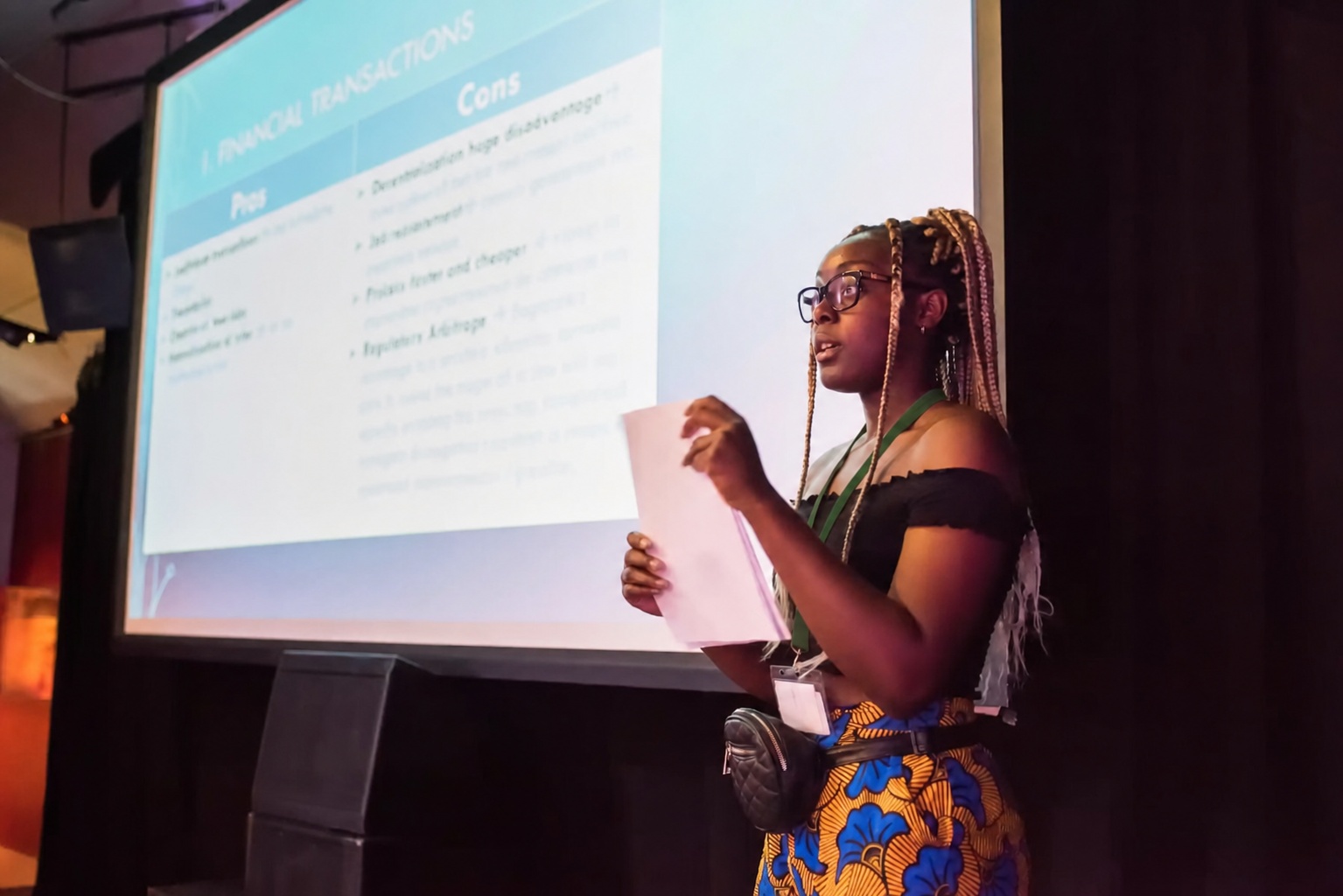
Summer courses in London give students the opportunity to explore academic subjects while experiencing one of the world’s most international cities. From teaching style and subject choice to accommodation, activities and pastoral support, comparing programmes carefully can help families find a summer course that suits the student’s age, interests and goals.

Success may partly depend on how effectively we learn from others. By observing useful behaviours, learning from different role models and adapting their approaches to our own circumstances, imitation can help us develop new skills, think more independently and discover our own path to success.

A Psychology summer school gives students the opportunity to explore human behaviour, the mind and the brain beyond the school curriculum. At Atlas Summer Courses, small-group teaching encourages students to question theories, evaluate evidence and develop the critical-thinking skills needed to explore Psychology in greater depth.

Studying Politics helps students understand how power, governments and societies operate while developing valuable skills in critical thinking, research, debate and communication. From elections and political ideologies to international relations and human rights, Politics encourages students to question evidence, consider different perspectives and form their own informed conclusions.

Studying History helps students understand how past events, people and ideas have shaped the world while developing valuable skills in research, critical thinking and communication. By examining evidence, questioning sources and comparing different interpretations, students learn not simply what happened in the past, but how to investigate it and reach their own conclusions.

A summer course in Cambridge gives students the opportunity to explore academic interests, experience a different style of learning and spend time in one of the world’s most famous university cities. Alongside developing subject knowledge, students can build confidence and independence, meet peers from around the world and develop valuable skills in critical thinking, communication and problem-solving.
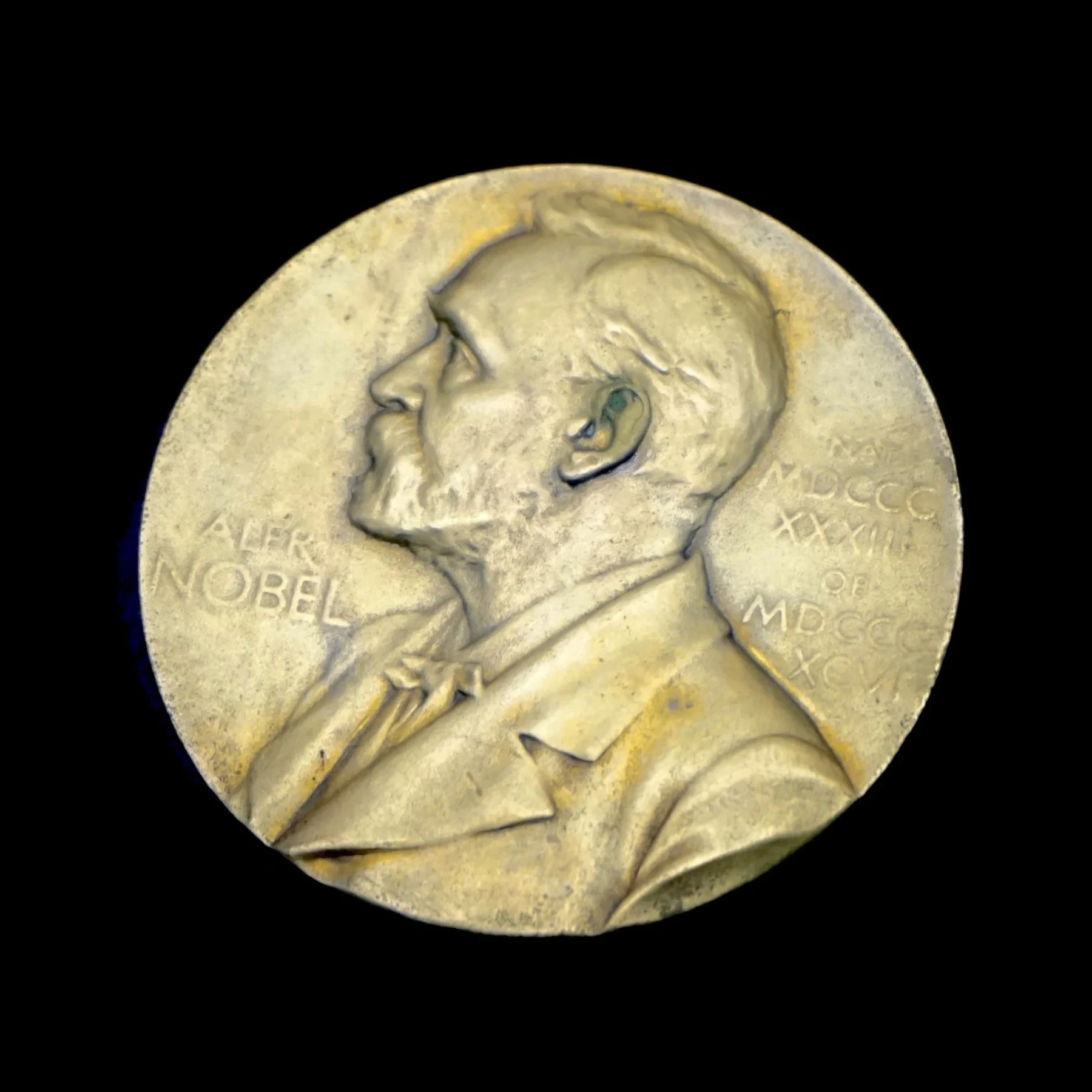
From the development of penicillin and lithium-ion batteries to discoveries about black holes, Nobel Prize winners connected to Oxford have contributed to some of the most influential ideas and breakthroughs of the modern era. Discover ten famous laureates who studied, taught or conducted research at the University of Oxford and the achievements for which they became known.