
Articles

Featured Articles

Atlas Summer Courses is the new name for Oxford Summer Courses. This introduction explains why the identity has changed, what remains the same for students and families, and how academic study, international friendships and greater independence fit into the programme’s next chapter.
Articles

Cognitive learning focuses on how attention, memory, understanding and reasoning shape learning. Active processing, retrieval practice, spaced study and connections to prior knowledge can support understanding. Working memory has limits, so manageable learning tasks and useful feedback matter.
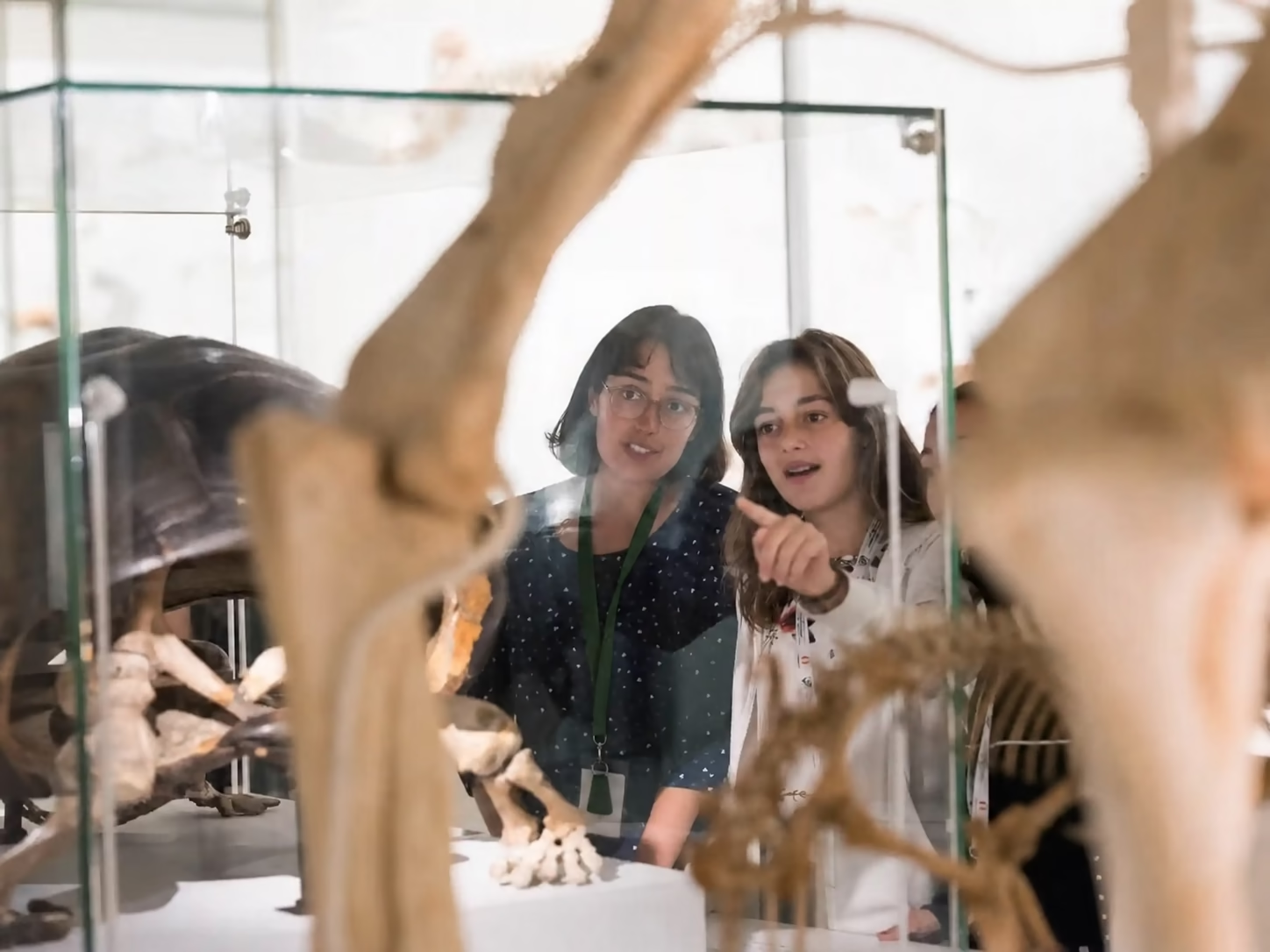
Cultural and social activities can complement academic study during a summer programme in Oxford. The article looks back at experiences including classical music, Shakespeare and karaoke. Past activities illustrate the wider student experience; they are not a guaranteed itinerary for future programmes.

AI can support personalised explanations, practice, feedback and routine teaching tasks. Students still need critical thinking to assess AI-generated answers and avoid replacing learning with automated work. Responsible educational use requires attention to reliability, bias, privacy and the continuing role of teachers.

There is no separate Russell Group application: students apply to individual universities and courses. International applicants need to check course-specific qualifications, subject requirements, English-language criteria and deadlines. Admissions tests, interviews and other requirements vary, so research each intended course carefully.
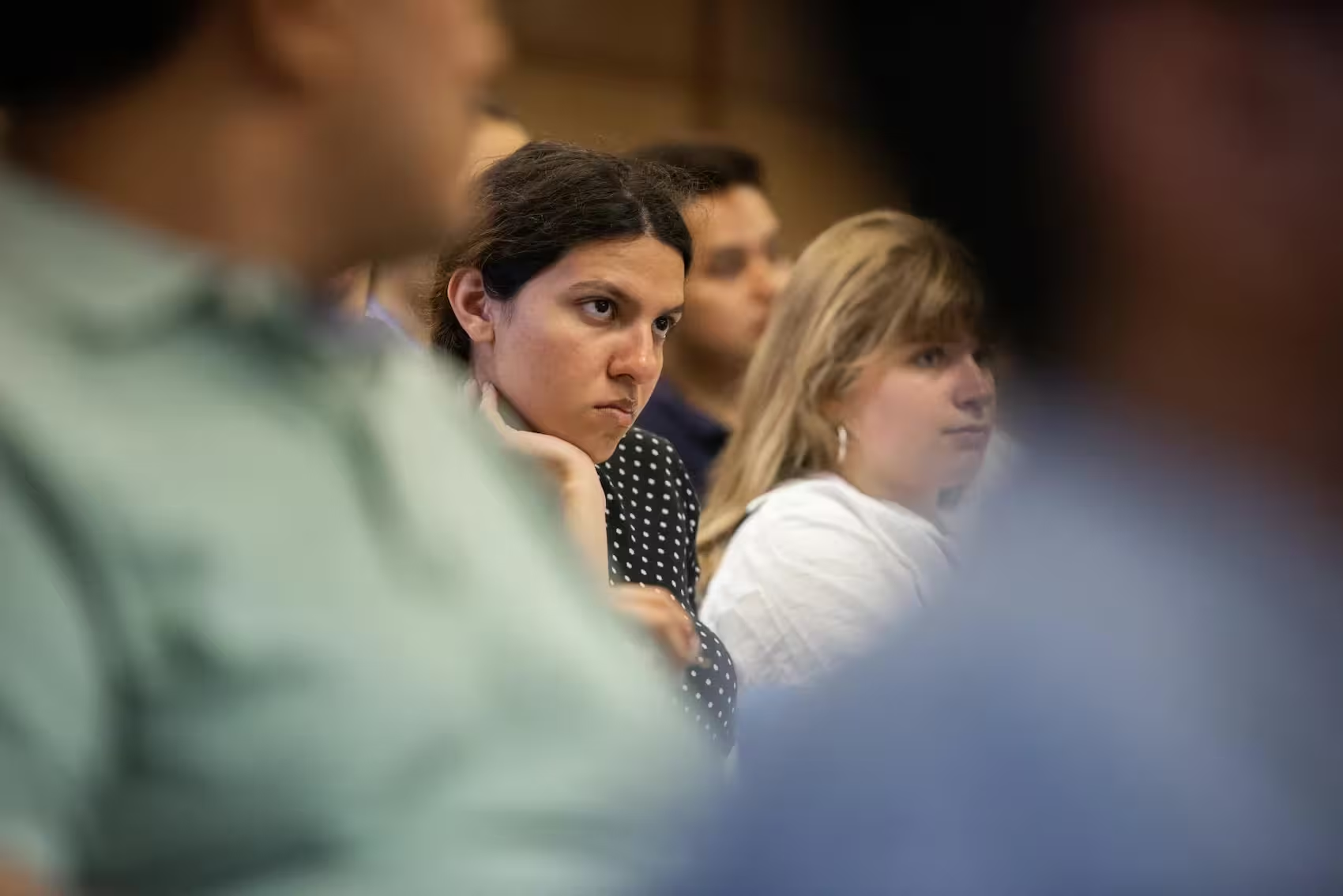
Valeria’s account follows her journey from Madrid to study International Relations with Atlas in Oxford. She highlights discussion-based learning, tutorial feedback and meeting students from different countries. Her reflections describe one student’s experience rather than a guarantee of future tutors, activities or outcomes.

This article looks back at one previous Atlas Summer Courses week in Cambridge. The account combines independent study with cultural visits, theatre, afternoon tea and a London excursion.

Laia reflects on studying English Literature and Creative Writing with Atlas in Oxford. Her experience highlights literary discussion, writing practice, personalised feedback and small-group learning. The account describes Atlas’s independent programme, not enrolment at the University of Oxford.

Small classes can create more opportunities for individual attention, discussion and feedback. Benefits depend on how teachers use the smaller setting, rather than class size alone. Responsive teaching and active participation can help students ask questions and develop confidence.

Summer school can help students explore subjects beyond their normal curriculum and consider future study interests. Residential experiences can support independence, communication and friendships with students from different backgrounds.