
Articles

Featured Articles

Atlas Summer Courses is the new name for Oxford Summer Courses. This introduction explains why the identity has changed, what remains the same for students and families, and how academic study, international friendships and greater independence fit into the programme’s next chapter.
Articles

Law study develops reasoning, interpretation and argument rather than simply memorising rules. Students can explore legal areas while learning to assess evidence and weigh competing rights. Discussion, careful reading and analytical writing can help students decide whether further legal study interests them.

Finance explores how individuals, businesses and governments allocate money under uncertainty. Key topics include risk and return, investment, cash flow, inflation and diversification. Analytical study can build financial literacy and help students question information about financial decisions.

Students who successfully complete an Atlas course receive personalised academic feedback in a Letter of Recommendation. Tutors write the feedback, which is reviewed by the Atlas Academic Team before being issued.

Atlas’s Junior programmes at Harrow are designed for students aged 9–12, in groups aged 9–10 and 11–12. One-week courses combine interactive academic teaching with residential accommodation, meals and activities.

Avantika Singhal attended Atlas Summer Courses' Creative Writing course in Oxford, learning valuable lessons. Plot holes can hinder a story's success, while giving constructive criticism is crucial. Choosing the right words and using synonyms effectively enhance writing.

Join the vibrant May Morning celebrations in Oxford, a centuries-old tradition celebrating the arrival of Spring. Festivities include singing, dancing, and revelry. Discover the history behind this unique event and its connection to May Day.
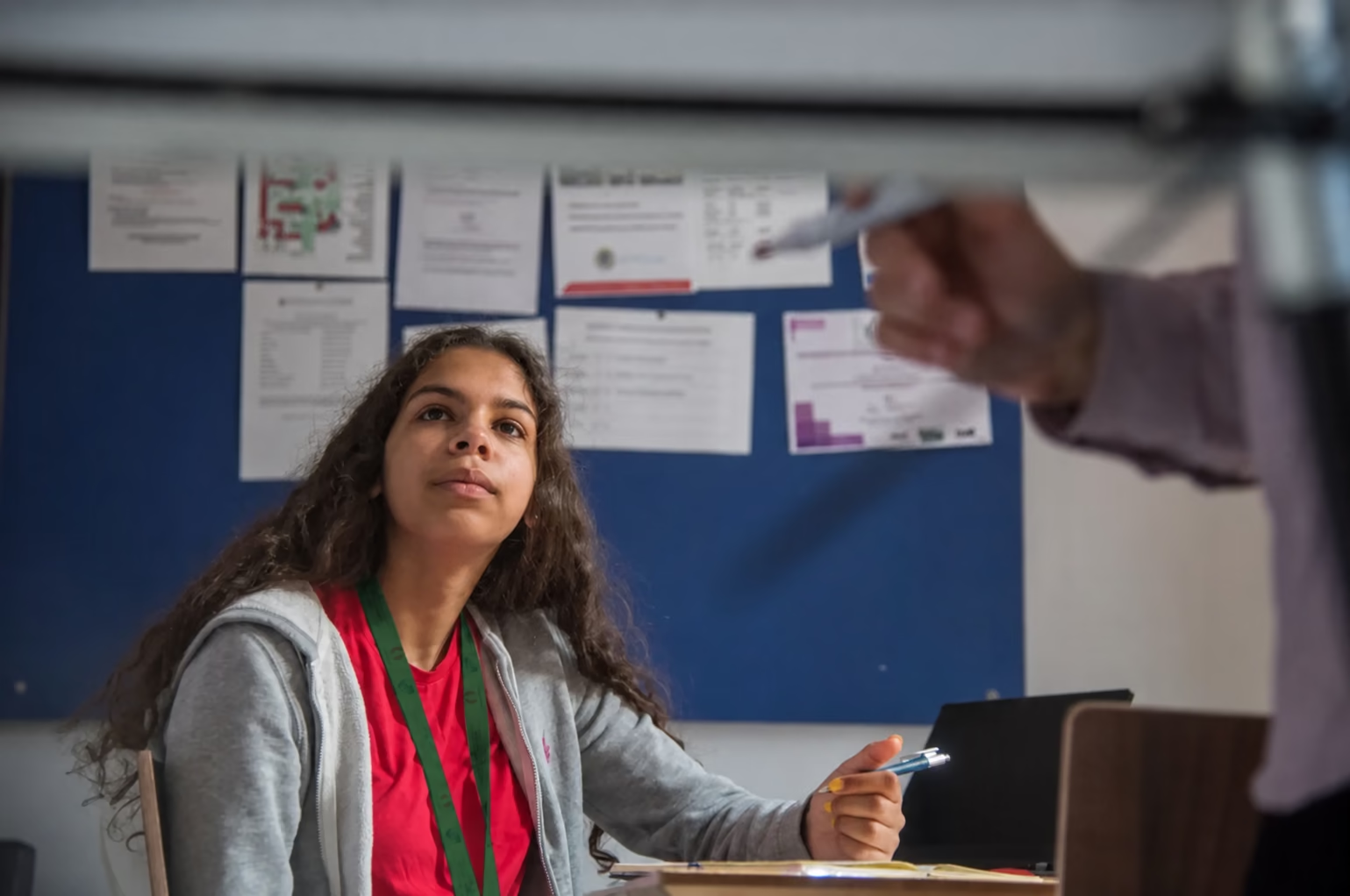
Tutorial-style teaching uses questioning and personalised feedback to help students examine their reasoning. Preparing work beforehand gives students and tutors material for focused academic discussion. Constructive challenge should identify strengths and give students clear next steps for improvement.

Project-based learning develops knowledge through sustained investigation of a meaningful question or challenge. Students work towards an outcome such as a presentation, prototype, report or performance. The article distinguishes this approach from Atlas’s own teaching model and from simply completing a short project.

An international learning community brings together students with different experiences and perspectives. Those perspectives can enrich academic discussion as well as everyday social conversations. Learning from classmates involves listening to individuals rather than treating them as representatives of an entire country.