
Digital Anatomy Lab & Future CEOs
Key takeaways:
A pastoral member of staff reflects on their time with Atlas Summer Courses on one of their Stanford summer schools in 2018.
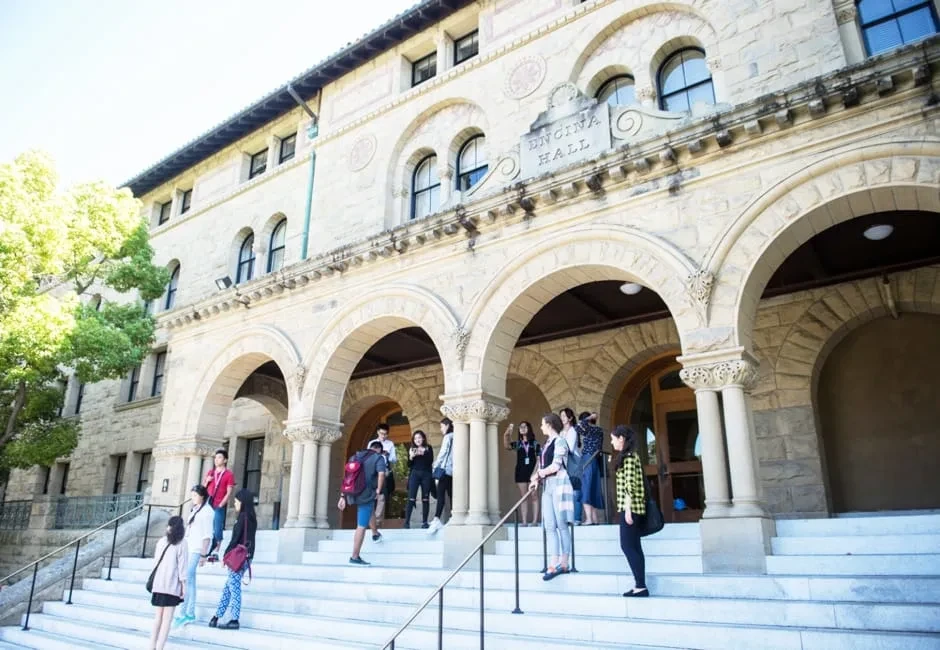
"The first thing on the schedule today was a lecture at the Digital Anatomy Lab, about a 30 minutes walk from our house (Stanford campus is the size of a small town!). We had all been looking forward to this session, hearing about it from other groups, so we walked quickly to get there and make the most of the morning.
When we arrived, we had a talk from on one of the lab’s top doctors and researchers — he explained how Stanford uses the most advanced technologies including augmented reality, VR and 3D MindScan technologies to develop medical techniques that are changing the world. After about an hour, we split into 3 smaller groups and went into the lab with students currently studying and working on medical programmes. It was a strange place, half hospital-looking and half classroom — it was a little bit eerie for some of us... We sat down in each part of the lab for about 2o minutes and got to see real organs and listen to how each of them works, including the lungs, kidneys, the brain and even a heart — we even got to hold them if we wanted to (some of us, quite understandably, didn’t take up the offer). It was an amazing experience to learn from these experts on how operational techniques work, and how invaluable this research really is in saving so many future lives.
The afternoon consisted of a workshop of Democracy which including lots of debate which the group really enjoyed — then a session on the Global Solutions Project. With the presentation on Friday looming ever closer, groups are getting through the tough issues and starting to work out how to present their ideas and discussions.
After dinner, we were invited to an Entrepreneur’s Panel where the group got to listen to discussion between four of Silicon Valley’s top business minds — then there was time to ask lots of questions which everyone did. We learned about start-ups, being a CEO and what it’s like to work in UX at Google HQ — all inspiration for the future entrepreneurs in our group."
Questions to take away from the anatomy session
When you look at an anatomical model or image, begin by identifying the structure and its neighbours. Then ask how its position or shape might affect what it does. A sketch with a few labels can be more useful than a long list of new terms because it makes you explain the relationships you noticed.
The diary also records a session on business ideas. A useful question there is who has the problem and what they already do about it. Both activities start with careful observation. For readers interested in following up on the first, see what students can explore in the current Medicine summer school. The sessions described here took place in 2018.
How to get more from an anatomy model
Compare views rather than relying on the first image you see. A cross-section can help you see what lies inside a structure, while a model can show how parts sit next to one another. Once you’ve recognised a feature, try explaining its position without pointing at it. That exposes gaps in your understanding and gives you a specific question to ask.
A useful note has three parts: the feature you saw, a possible explanation for it and something you’d like to check. If classmates used a different model or looked from another angle, compare notes. The differences can tell you what each model makes easier or harder to see.
From a first idea to a short pitch
The entrepreneurship part of the day called for a different kind of explanation. In a short pitch, tell your listener who the idea is for, what difficulty it addresses and how you would know if it helped. Practise with someone outside your group. If they can explain the idea back to you without prompting, you have a clearer starting point for feedback.
Ready to Join Atlas Summer Courses?
After submitting your application, we'll be in touch very soon to let you know the outcome. Apply now to begin your journey with Atlas Summer Courses.
About the author
Rhys Mackenzie is responsible for creating and maintaining educational content at Atlas Summer Courses, helping students and families access clear, accurate information about studying in Oxford. With several years of experience in digital content and student-focused resources, Rhys specialises in presenting academic programmes in a way that reflects the quality and integrity of Atlas Summer Courses' academic offering. Learn more about Rhys here.
Summary
This historical diary recalls a Stanford programme visit to a Digital Anatomy Lab in 2018. Students learned about medical technologies and interacted with people working in the field.