Media Studies Summer School
.avif)

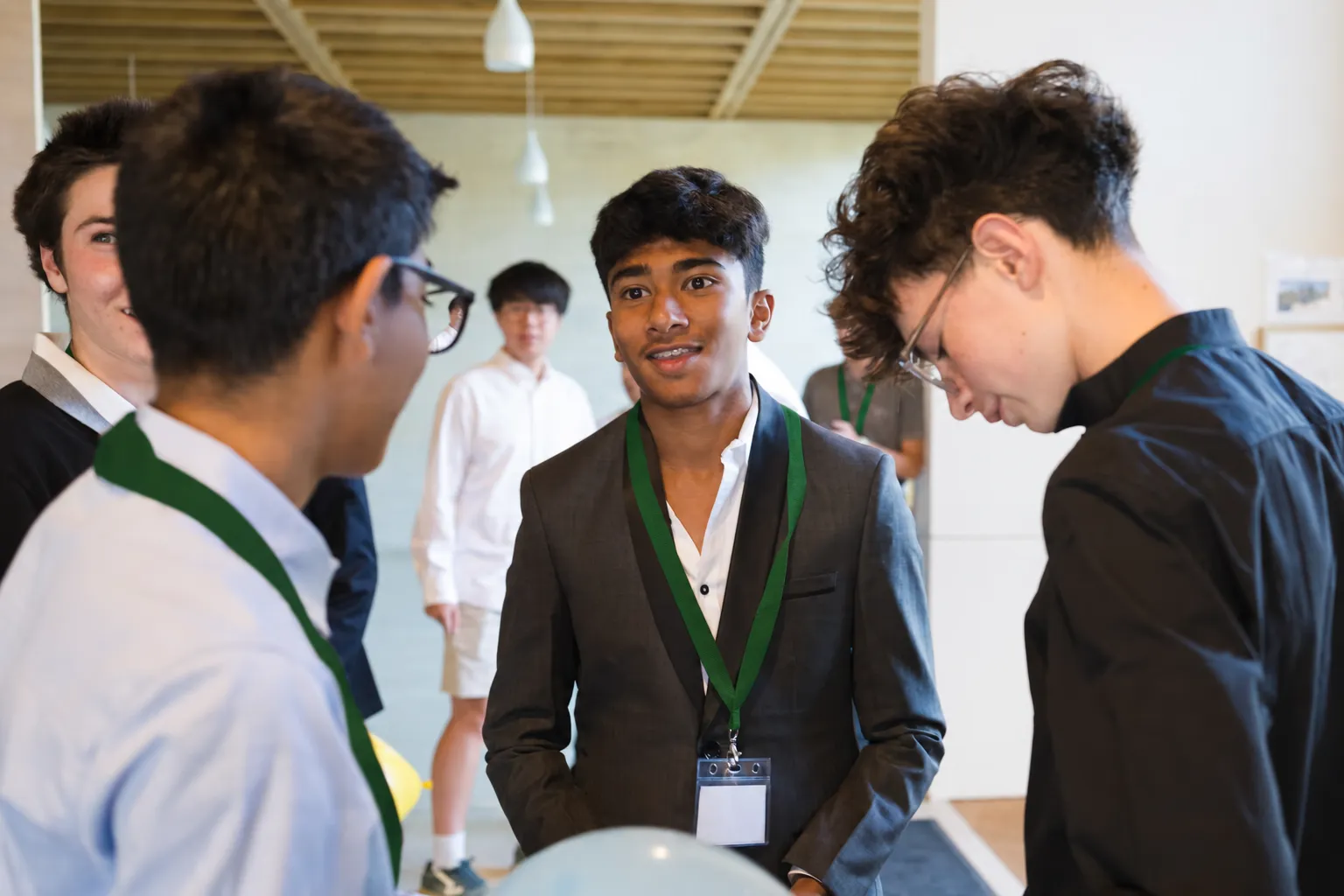
Explore how media shapes the way we communicate, understand the world and influence one another with Atlas Summer Courses. Designed for students aged 13–15, our two-week Media Studies summer school gives you the opportunity to examine media, audiences and communication beyond your usual school curriculum.
Through discussion, case studies and independent study, you'll consider how different forms of media are created, interpreted and used while developing your ability to analyse messages, question assumptions and communicate your own ideas.
What's Included?
Your residential Media Studies summer course includes academic teaching, accommodation, meals, a certificate on completion, airport transfer from Heathrow and insurance.
Choose from Plus, Superior and Premier packages, with accommodation and additional benefits varying by package.
What Is Media Studies?
Media Studies explores how different forms of media communicate ideas, represent people and events, and influence the way we understand the world around us.
The subject can involve examining everything from film, television and journalism to advertising, social media and digital platforms. It asks you to think critically about who creates media, who it is intended for and how different audiences might interpret the same message.
Studying Media Studies also means considering the wider role media plays in society, including questions around representation, persuasion, culture, technology and influence.
A Media Studies summer school gives you the opportunity to look beyond simply consuming media and begin analysing how and why it works.
What Will You Study at a Media Studies Summer School?
Depending on your course, you could explore areas such as film, journalism, advertising, social media, digital culture, representation, audiences or the relationship between media and society.
You might consider questions such as:
- How does media influence the way we see the world?
- Why do different audiences interpret the same content differently?
- How are people and communities represented in media?
- What makes a media message persuasive?
- How has social media changed the way information is created and shared?
- How can we evaluate the information we encounter online?
There is no prescribed syllabus that every student follows. Atlas Summer Courses tutors create their own syllabi, drawing on their expertise while taking the interests, abilities and learning needs of their students into account.
This flexible approach allows tutors to explore their specialist areas while responding to the interests and progress of the group. Any syllabus shown on our website is therefore an example from a previous course rather than a guarantee of the exact topics you'll study.
How You'll Learn on a Media Studies Summer Course
The Atlas Summer Courses Media Studies summer course combines small-group seminars with independent study across the two-week programme.
24 hours of small-group seminars
You'll take part in eight seminars where you'll explore ideas through interactive discussion, case studies and activities. You may analyse different forms of media, compare interpretations and discuss how particular messages, representations or techniques affect an audience.
12 hours of private study
Between seminars, you'll complete a small amount of independent work. Depending on the topics being explored, this might involve reading, analysing media, researching a question or preparing a presentation.
Together, these help you develop greater confidence analysing information, questioning what you encounter and explaining your own interpretations and arguments.
Who Is Our Media Studies Summer School For?
Our Media Studies summer school for 13–15-year-olds is designed for students who are curious about media, communication and the influence they have on everyday life.
It may particularly suit you if you're interested in film, television, journalism, advertising, social media or digital culture and want to understand these areas from a more academic perspective.
You don't need to have studied Media Studies before joining the course. What matters most is curiosity and a willingness to question, discuss and analyse the media you encounter.
You'll develop transferable skills including critical thinking, analysis, research, independent learning and communicating your ideas clearly.
Learn from Expert Tutors
Atlas Summer Courses tutors are experienced educators and subject specialists active across academia, industry and education.
They bring their own academic expertise and interests into their teaching and have the freedom to shape their syllabus around both their specialism and the students in their group. This means your course can introduce ideas, examples and perspectives that go beyond a standardised curriculum.
Tutors are confirmed closer to the summer, so profiles on our website are examples of tutors who have previously taught with us rather than confirmation of who will teach your course.
Where Can Media Studies Take You?
Media Studies connects with a wide range of subjects at university and beyond.
Students interested in the field may go on to study Media Studies itself or related subjects such as communications, journalism, film, marketing, advertising, sociology or digital media.
The analytical, research and communication skills developed through Media Studies can also be valuable across careers in areas such as journalism, broadcasting, film and television, marketing, advertising, publishing, public relations and digital media.
A Media Studies summer school gives you the opportunity to explore these interests at an earlier stage and discover which aspects of media and communication you might want to pursue further.
Don’t see the course you’re looking for?
Explore our full range of courses by subject, age, and location using our course finder. With over 40 subjects available across top locations, there’s something for everyone.


.webp)
FAQs about Our Summer Courses
No. You don't usually need to have studied your chosen subject before joining an Atlas Summer Courses summer course. Courses are designed for the relevant age group, and tutors can adapt their approach to the abilities, interests and experience of the students in their group.
There is no fixed curriculum that every student follows. Our tutors create their own syllabi based on their academic expertise and the interests and learning needs of their students.
This means the exact topics can vary between courses and years. Any syllabus or topics shown on our website are examples from previous courses and shouldn't be taken as a guarantee of exactly what you'll study.
Teaching depends on your age group. Students aged 9–12 and Scholars aged 12–14 learn through structured, interactive small-group classes. Students aged 13–15 combine small-group seminars with private study, while students aged 16–17 and 18–24 experience seminars, tutorials and independent study.
Across our programmes, teaching is designed to encourage active participation, questioning and independent thinking rather than simply listening to lectures.
Your course includes your academic programme, accommodation, meals and a certificate on completion, alongside the activities and experiences included within your programme.
What's included can vary depending on the programme, age group and package you choose, so we recommend checking the individual course details for the full inclusions before applying.
Explore Our
Summer Courses
Choose from over 40 subjects taught through flexible, age-appropriate programmes. Our tutors adapt their teaching methodologies to different age groups and shape course content around students’ interests, rather than following a fixed curriculum.
View all courses