
Articles

Featured Articles

Atlas Summer Courses is the new name for Oxford Summer Courses. This introduction explains why the identity has changed, what remains the same for students and families, and how academic study, international friendships and greater independence fit into the programme’s next chapter.
Articles

Create a study routine that fits your existing schedule and the work you want to complete. This guide covers realistic goals, consistent habits and focused sessions, with ways to adjust your approach rather than depend on motivation or an overfilled timetable.
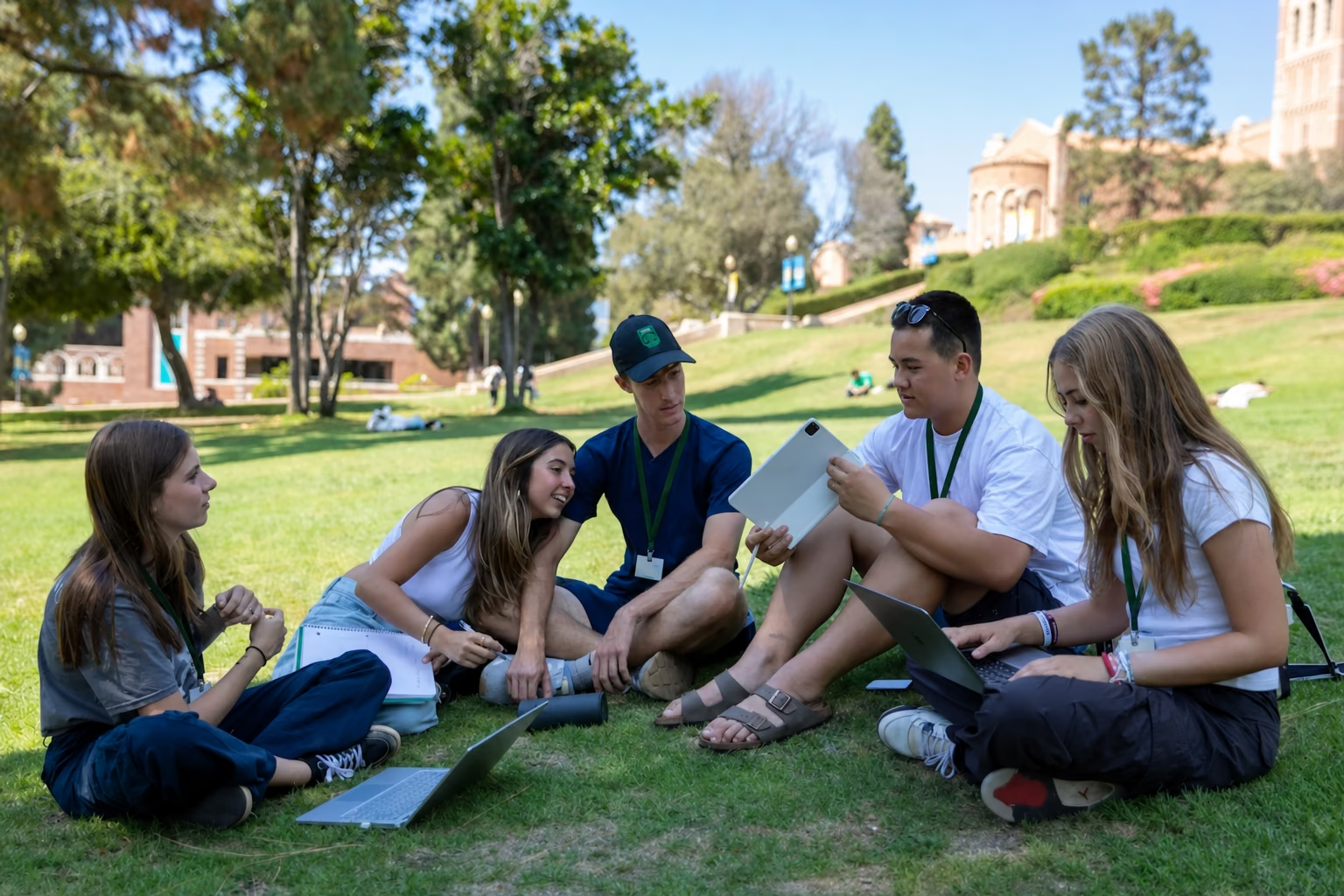
Strengthen memory by understanding ideas, practising retrieval and returning to material over time. This guide explores active recall, spaced repetition and ways to organise information, helping students distinguish recognising familiar notes from being able to explain or use their knowledge.

Set academic goals that translate broad ambitions into specific actions. This guide explains how to balance short- and long-term aims, choose realistic priorities and review progress, so goals provide direction without becoming an unmanageable list of expectations.

Self-testing helps students check what they can recall and apply without looking at notes. This guide explores practice questions, flashcards and reviewing mistakes, with ways to use the results to identify gaps and make subsequent revision more focused.
The Feynman Technique uses simple explanations to expose gaps in understanding. This guide takes students through choosing a concept, explaining it in their own words, returning to unclear material and refining the explanation until the reasoning becomes easier to follow.
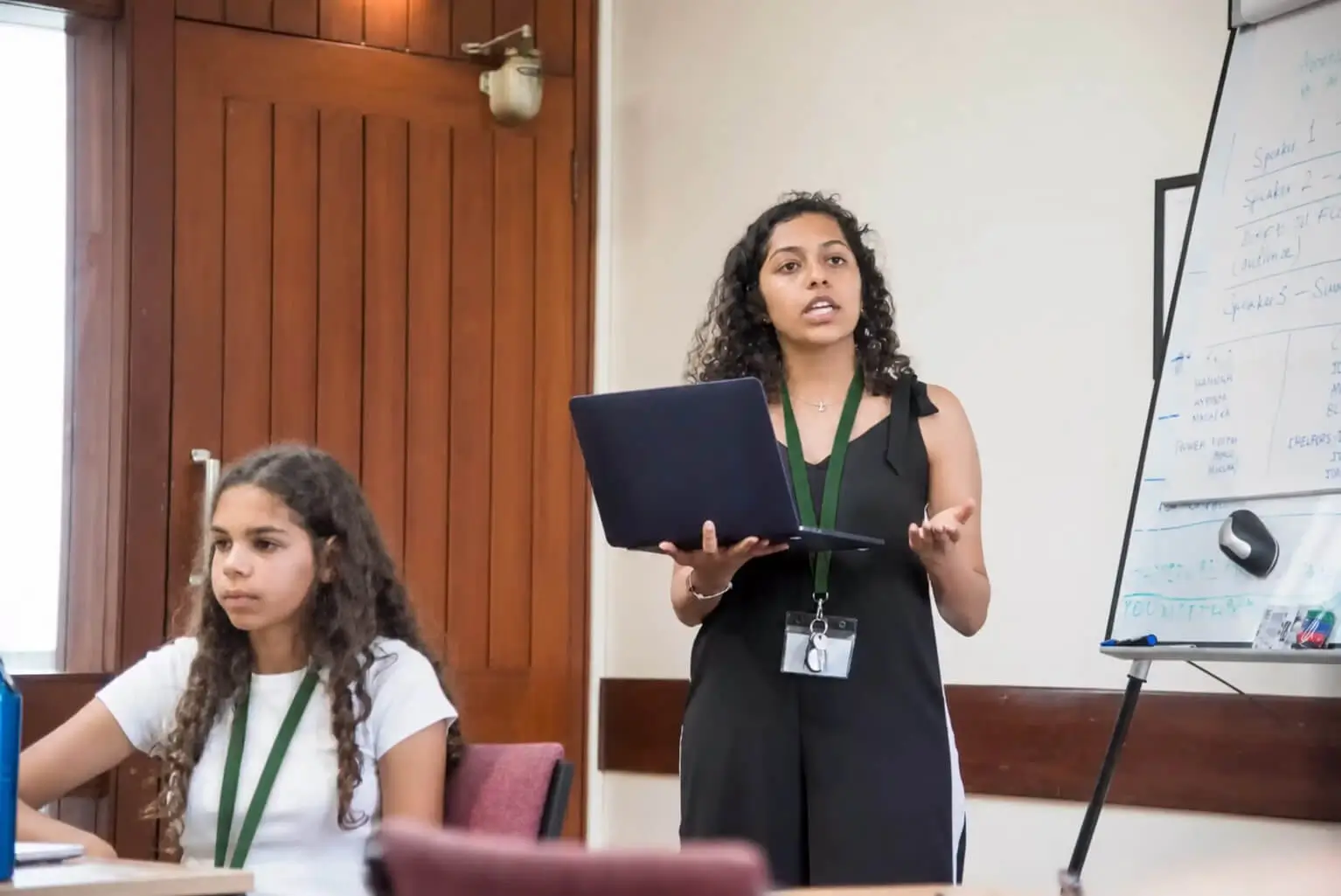
The Leitner System organises flashcards so difficult material is reviewed more frequently than familiar material. This guide explains how to create useful cards, move them between groups and combine regular review with honest checks of what you can recall.

SQ3R stands for Survey, Question, Read, Recite and Review. This guide explains how the sequence turns reading into an active study process, helping students identify important ideas, test their understanding and return to material more purposefully.

Visualisation can help students represent and examine ideas through mental images, diagrams and drawings. This guide explains how to connect images with the concept being learned and use drawing from memory to check understanding rather than simply decorate notes.
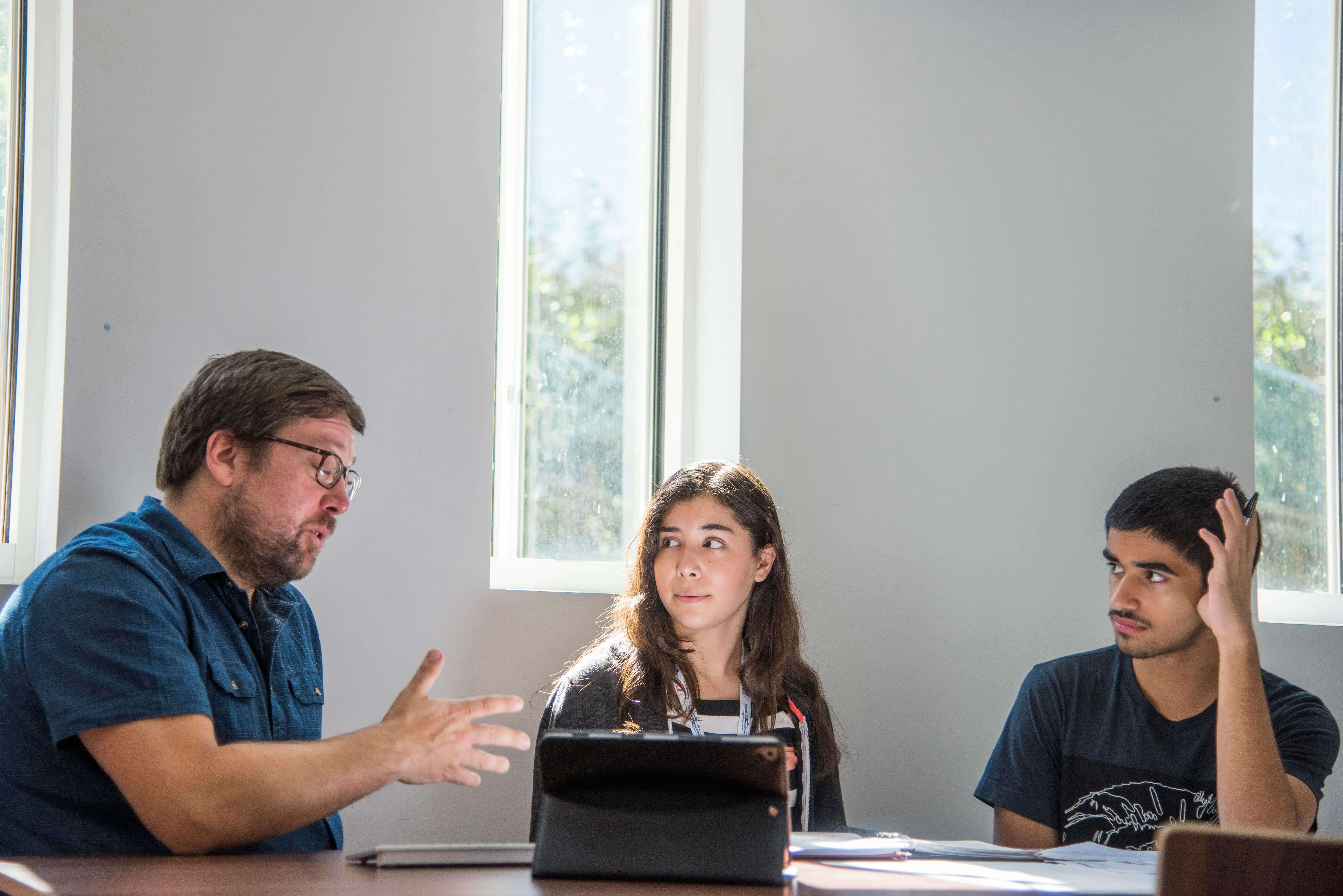
The Pomodoro Technique structures work into focused periods separated by breaks. This guide explains how to choose a specific task, reduce interruptions and use timed sessions thoughtfully, adapting the method to the work rather than treating the timer as a goal itself.