
Articles

Featured Articles

Atlas Summer Courses is the new name for Oxford Summer Courses. This introduction explains why the identity has changed, what remains the same for students and families, and how academic study, international friendships and greater independence fit into the programme’s next chapter.
Articles

A university personal statement should explain academic interests and support them with relevant experiences. Preparation involves reflecting on motivation, selecting useful evidence and writing in your own voice.

Networking can be daunting, but it's crucial for students. Start by attending college events and using social media like LinkedIn. Don't be afraid to join conversations and stay in touch with your connections. Reach out to your personal network and build authentic relationships.
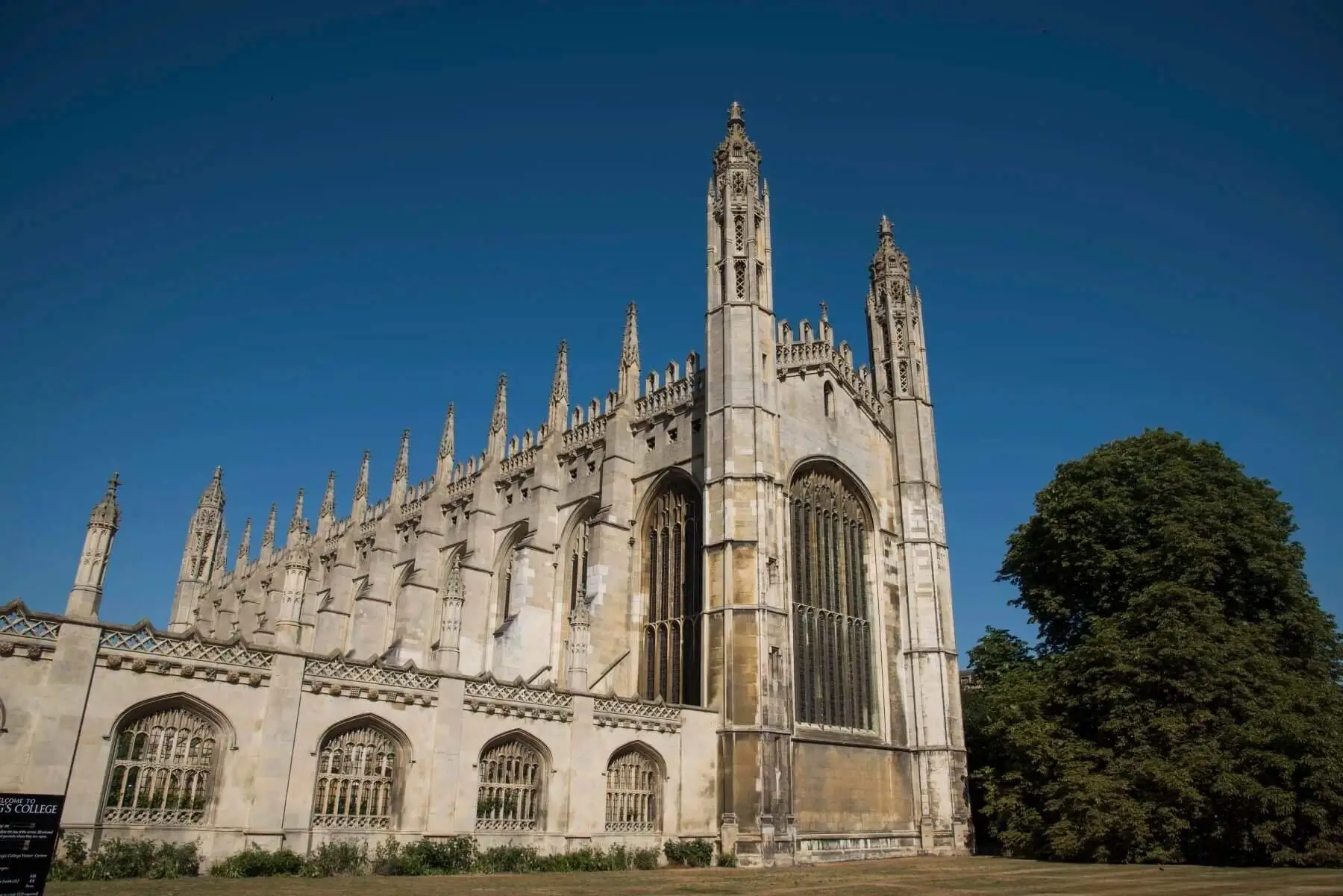
Oxford and Cambridge share collegiate structures and long academic histories. The article compares aspects of their teaching, traditions and student environments. Considering differences alongside similarities can help students research which setting suits their interests.

Begin a study schedule by identifying goals, deadlines and the time available. Include classes, other commitments, breaks and free time to make the plan realistic. Breaking larger goals into smaller tasks can make progress easier to manage.

Independent study requires a routine, clear priorities and ways to manage distractions. Preparing work and maintaining focus help students make productive use of time outside lessons. The article offers practical approaches to adapting study habits when circumstances change.

A-Levels are subject-based qualifications that commonly lead to university, training or work. Choosing subjects involves considering interests, entry requirements and future options. The guide answers questions about course numbers, assessment and how choices connect with further study.

Creative writing can develop more than storytelling technique. This guide explores how a course can encourage imagination, reflection, clearer expression and constructive responses to feedback, helping students connect regular writing practice with wider academic and personal development.
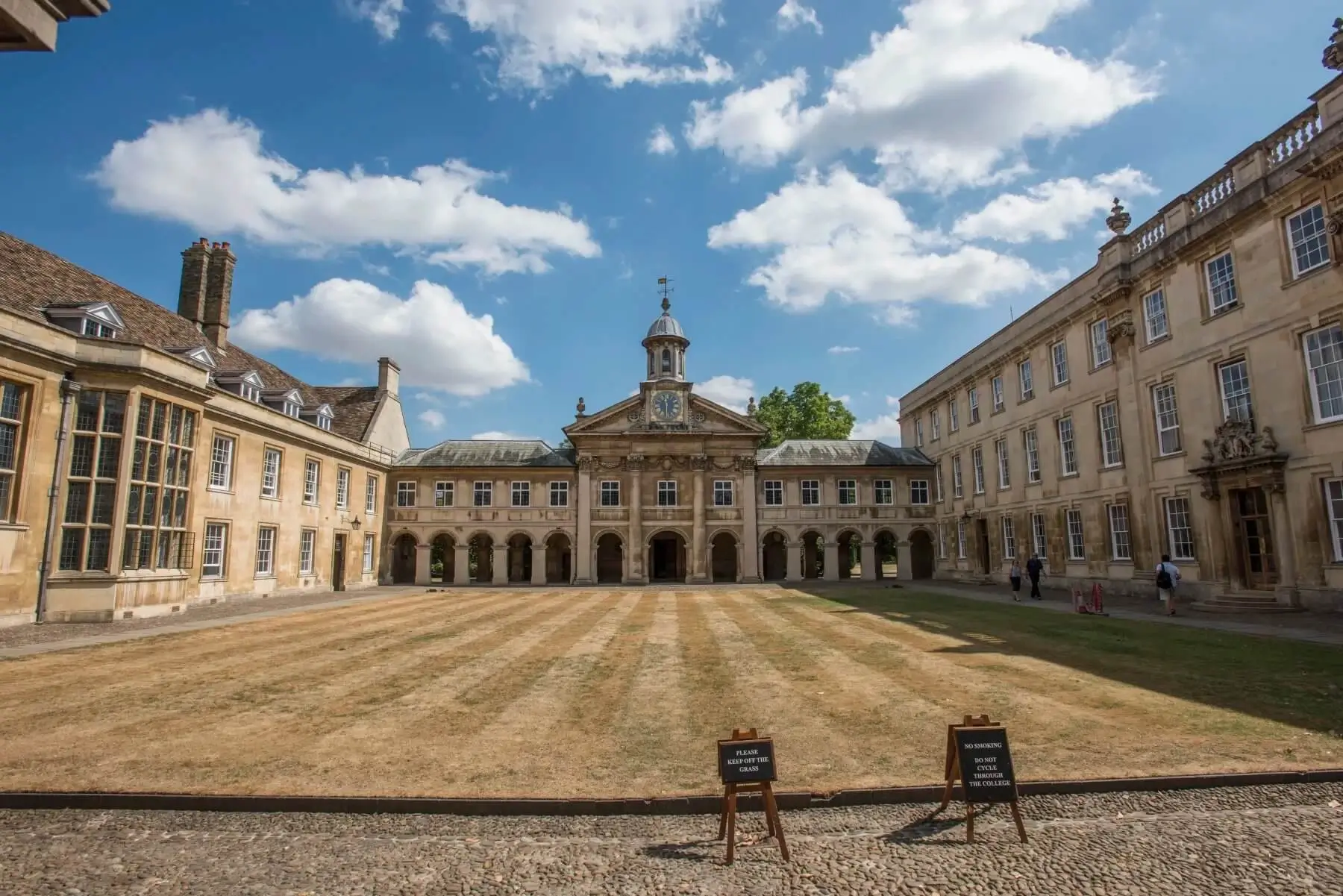
The article explores the history of institutions presented among the world’s oldest universities. It connects their origins with the development of higher education and academic traditions. The historical overview offers context for understanding long-established centres of learning.

A medical degree can lead towards a range of roles and specialties. The guide introduces careers including hospital medicine, general practice, surgery and anaesthesia. Different roles involve different responsibilities and further professional training.