
Articles

Featured Articles

Atlas Summer Courses is the new name for Oxford Summer Courses. This introduction explains why the identity has changed, what remains the same for students and families, and how academic study, international friendships and greater independence fit into the programme’s next chapter.
Articles
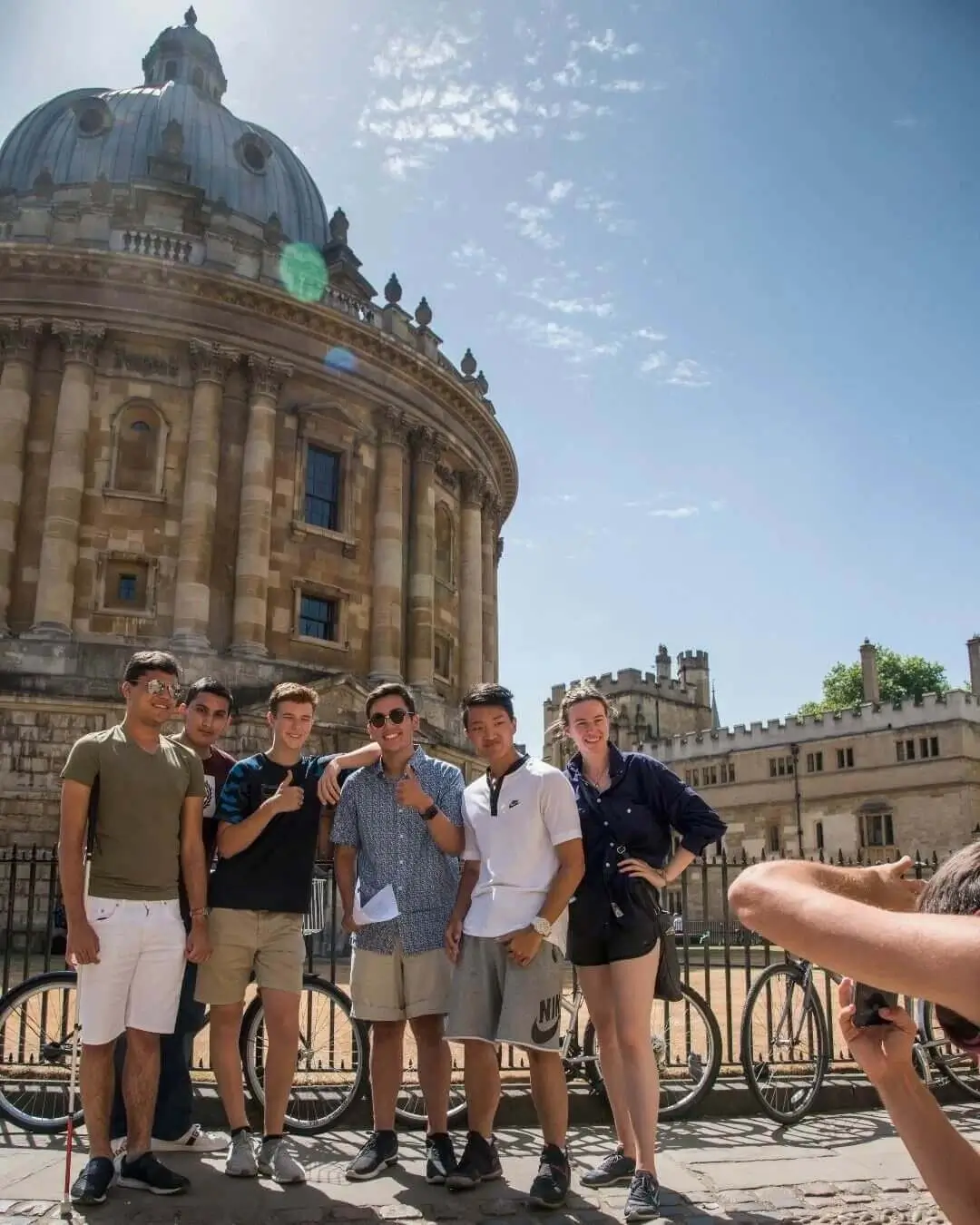
Summer school gives students time to explore subjects beyond their normal academic timetable. Focused study can help develop knowledge, interests and ideas about future education. The article also discusses wider experiences, personal development and meeting new people.

Debate develops critical thinking, clear communication and the ability to consider different viewpoints. Building arguments requires evidence, reasoning and responses to other people’s ideas. Respectful disagreement can support learning both inside and outside the classroom.

A philosophy course can help students practise evaluating arguments, understanding other viewpoints, researching questions, writing clearly and making reasoned decisions. This guide explains five practical benefits through examples and short exercises, focusing on transferable habits rather than repeating a catalogue of summer-school features.
Oxford is renowned for its mathematicians like G.H. Hardy, Charles Dodgson (Lewis Carroll), and John Wallis. Their contributions in analysis, number theory, and infinitesimals have left a lasting impact. Oxford's mathematical legacy continues to inspire students worldwide.
Explore unusual Oxford traditions through the stories and customs associated with its colleges and students. From carnations and college families to rowing events, the article offers context for understanding local practices rather than a promise that summer-course students participate in every tradition.

Mathematics develops logical thinking, quantitative analysis and problem-solving. Career examples span finance, software, statistics, actuarial work, teaching and data science. The guide helps students connect mathematical skills with different professional interests.

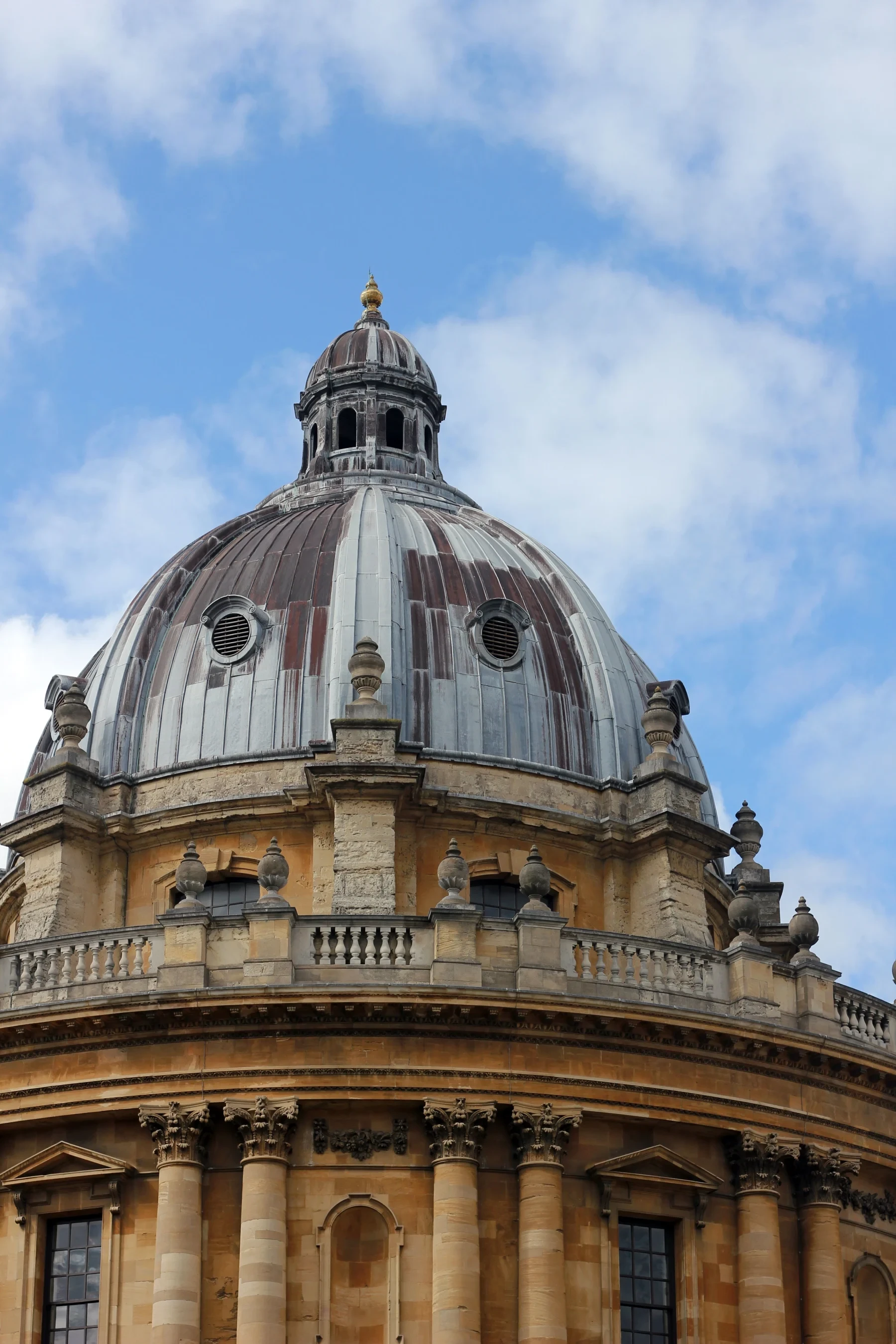
Oxford boasts famous buildings like St George's Tower, Christ Church Cathedral, New College, Radcliffe Camera, St Mary the Virgin Church, Divinity School, Sheldonian Theatre, and Radcliffe Observatory. These architectural masterpieces showcase Oxford's rich history and are must-visit attractions.
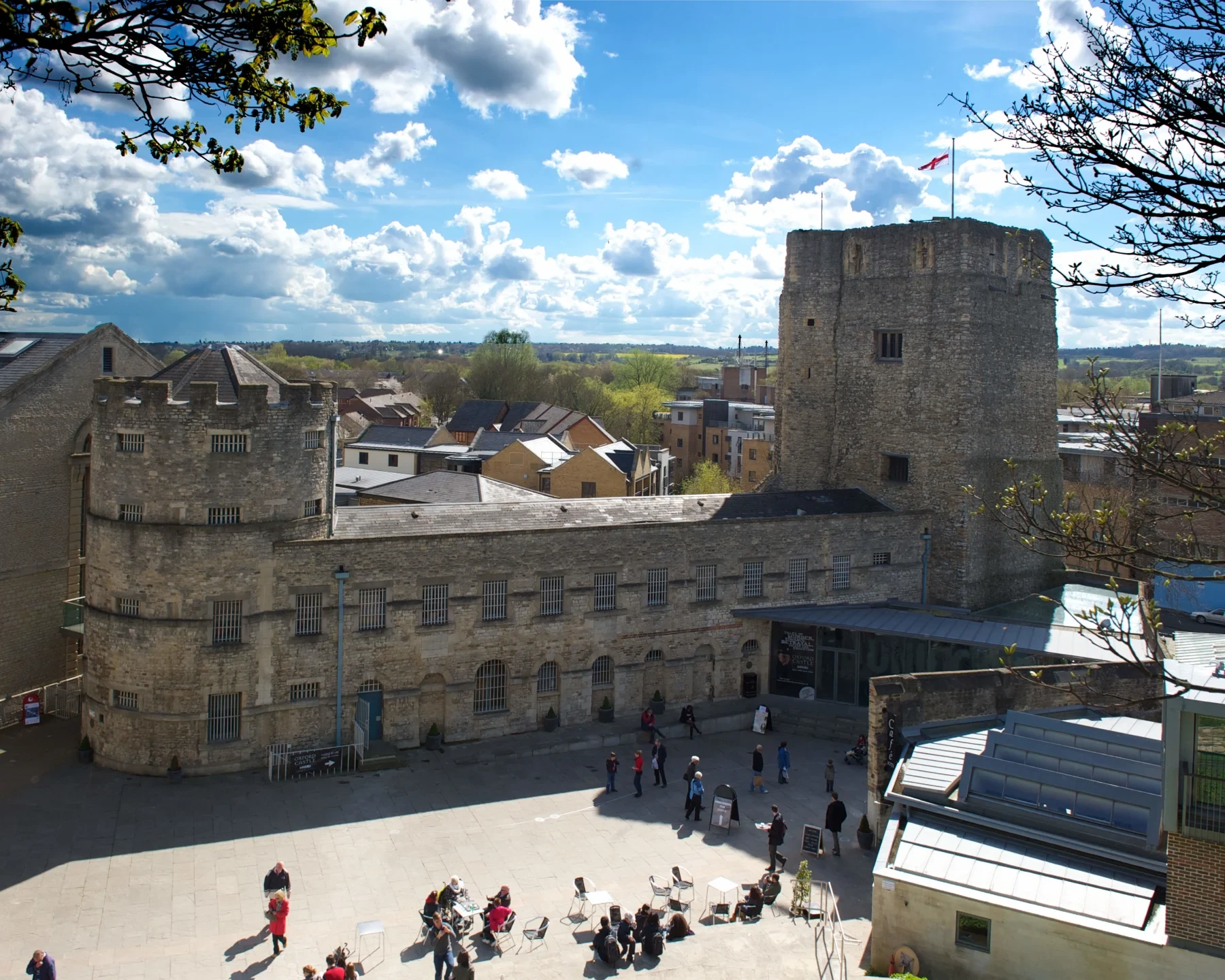
Oxford Castle’s history connects military power, royal conflict and the administration of justice. The site developed from a fortress into buildings associated with imprisonment. The article traces changing uses that reflect wider developments in English history.
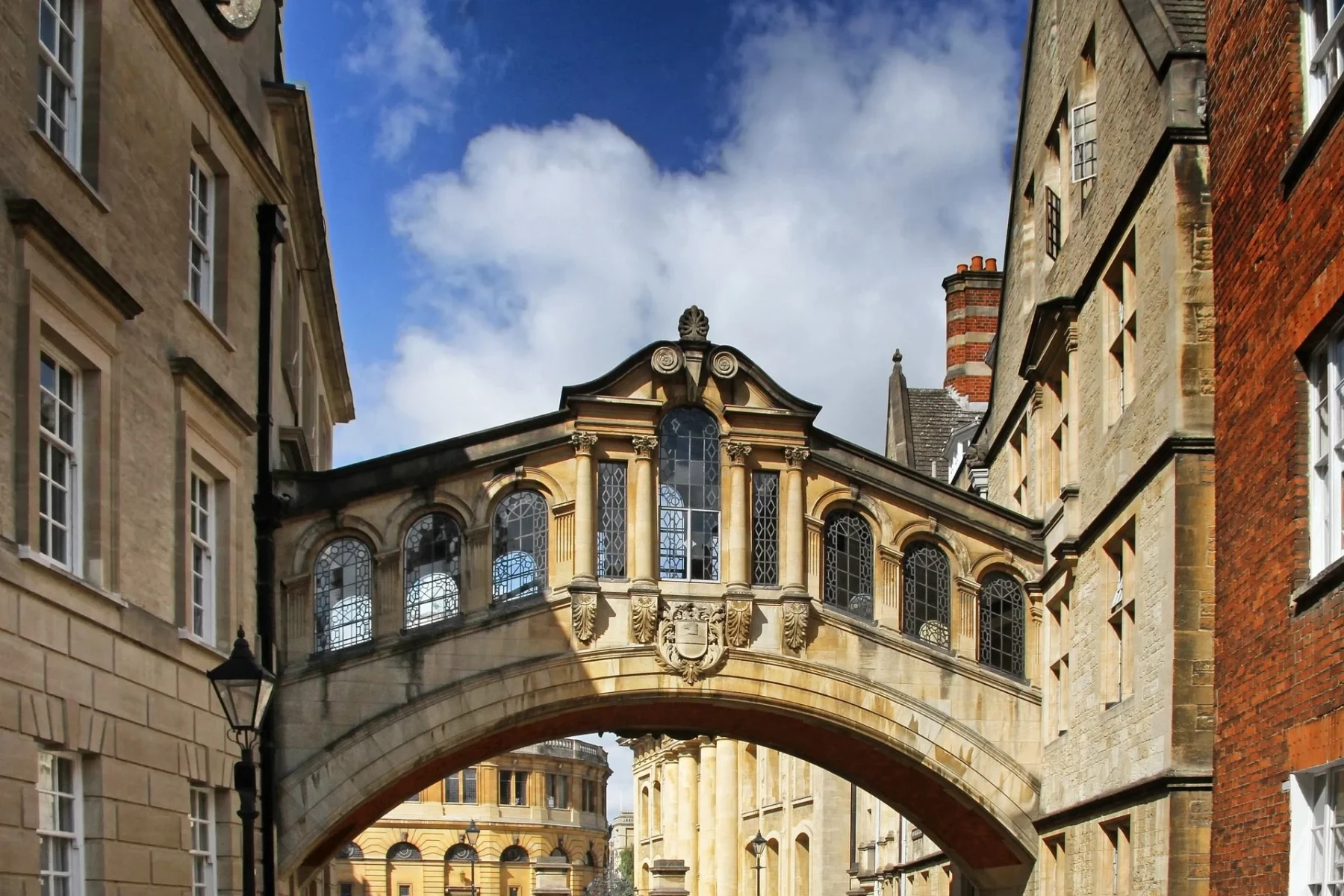
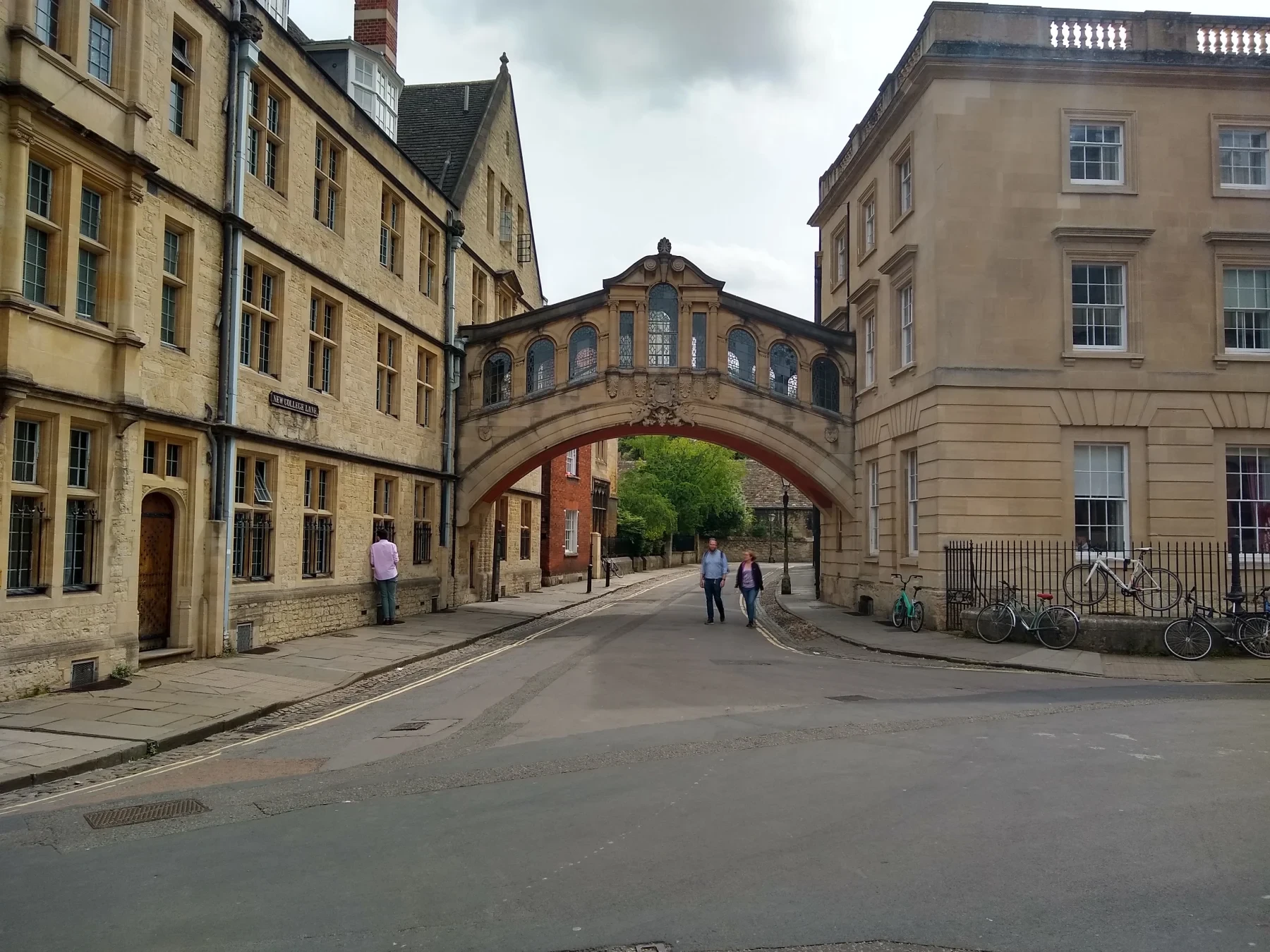
Hertford Bridge, known as Oxford’s Bridge of Sighs, links parts of Hertford College across New College Lane. This guide explores its history, design and continuing use, helping readers look beyond the landmark’s familiar nickname and appearance.