
Articles

Featured Articles

Atlas Summer Courses is the new name for Oxford Summer Courses. This introduction explains why the identity has changed, what remains the same for students and families, and how academic study, international friendships and greater independence fit into the programme’s next chapter.
Articles
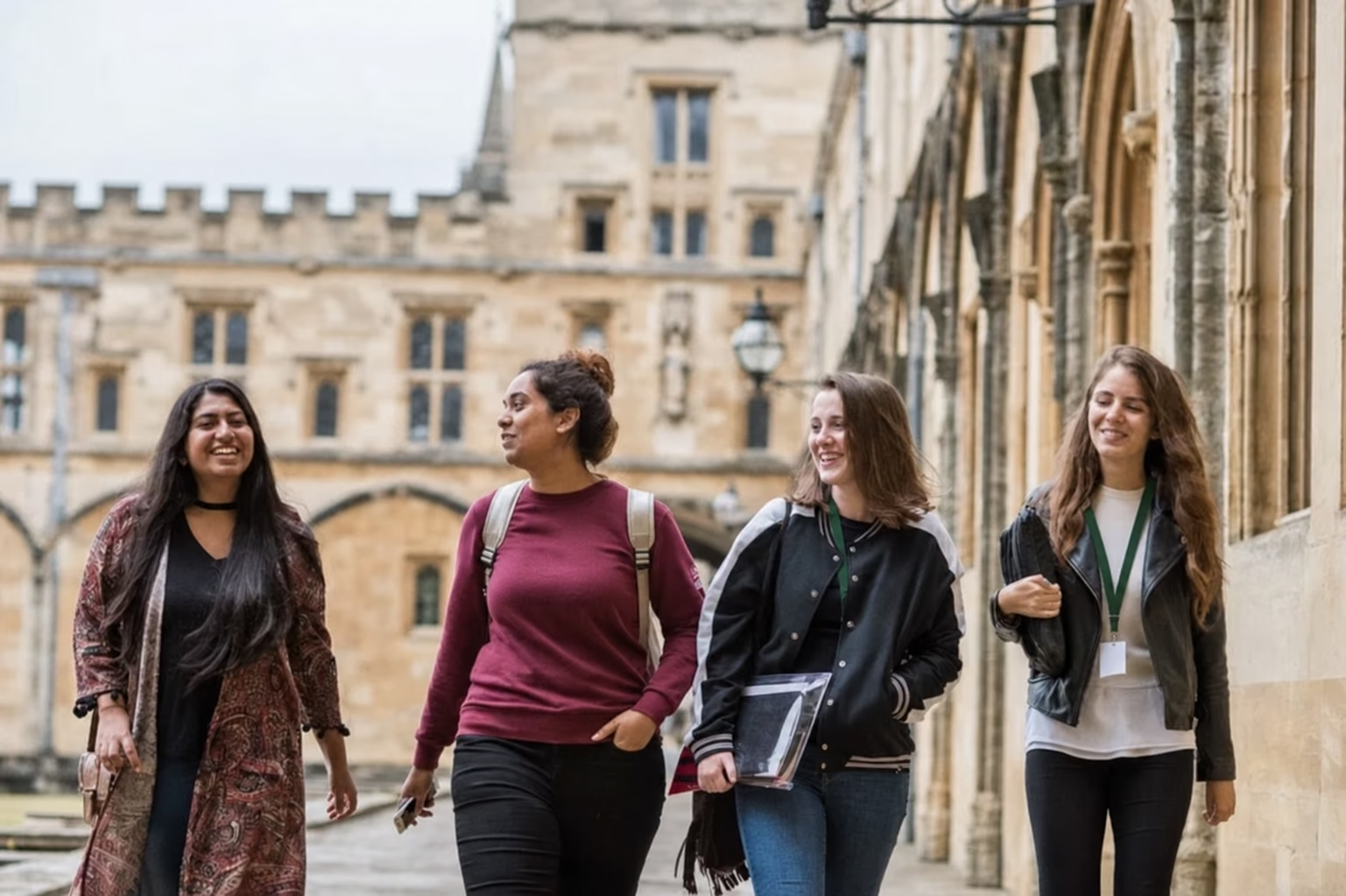
Engineering applies science and mathematics to the design of useful systems and structures. This guide introduces mechanics, energy and materials alongside examples of different disciplines, helping students understand the problem-solving and design skills involved.

Computer Science investigates how information is represented, processed and used to solve problems. This student guide introduces programming, algorithms and data systems, alongside applications and ways to explore the subject beyond simply using digital devices.

Artificial Intelligence examines systems that perform tasks involving learning, language and decision-making. This guide introduces machine learning, neural networks and related applications, with the ethical questions and analytical skills relevant to students exploring the field.

Sociology and Anthropology investigate social relationships, culture and the ways people organise their lives. This guide introduces identity, inequality, family and social structures, helping students explore how different approaches can explain both familiar communities and unfamiliar ways of living.
Politics examines power, collective decisions and the institutions that govern societies. This student guide introduces ideologies, democracy and political authority, helping readers explore how political arguments and systems affect everyday life and wider public questions.

Philosophy, Politics and Economics brings together questions about values, power and resource choices. This guide explains how the three disciplines connect, helping students investigate public issues through different forms of reasoning rather than a single perspective.
Leadership involves helping people work towards shared aims through communication, judgement and responsibility. This guide explores leadership styles, emotional intelligence and decision-making, with ways students can understand the skills involved in supporting and influencing a group.
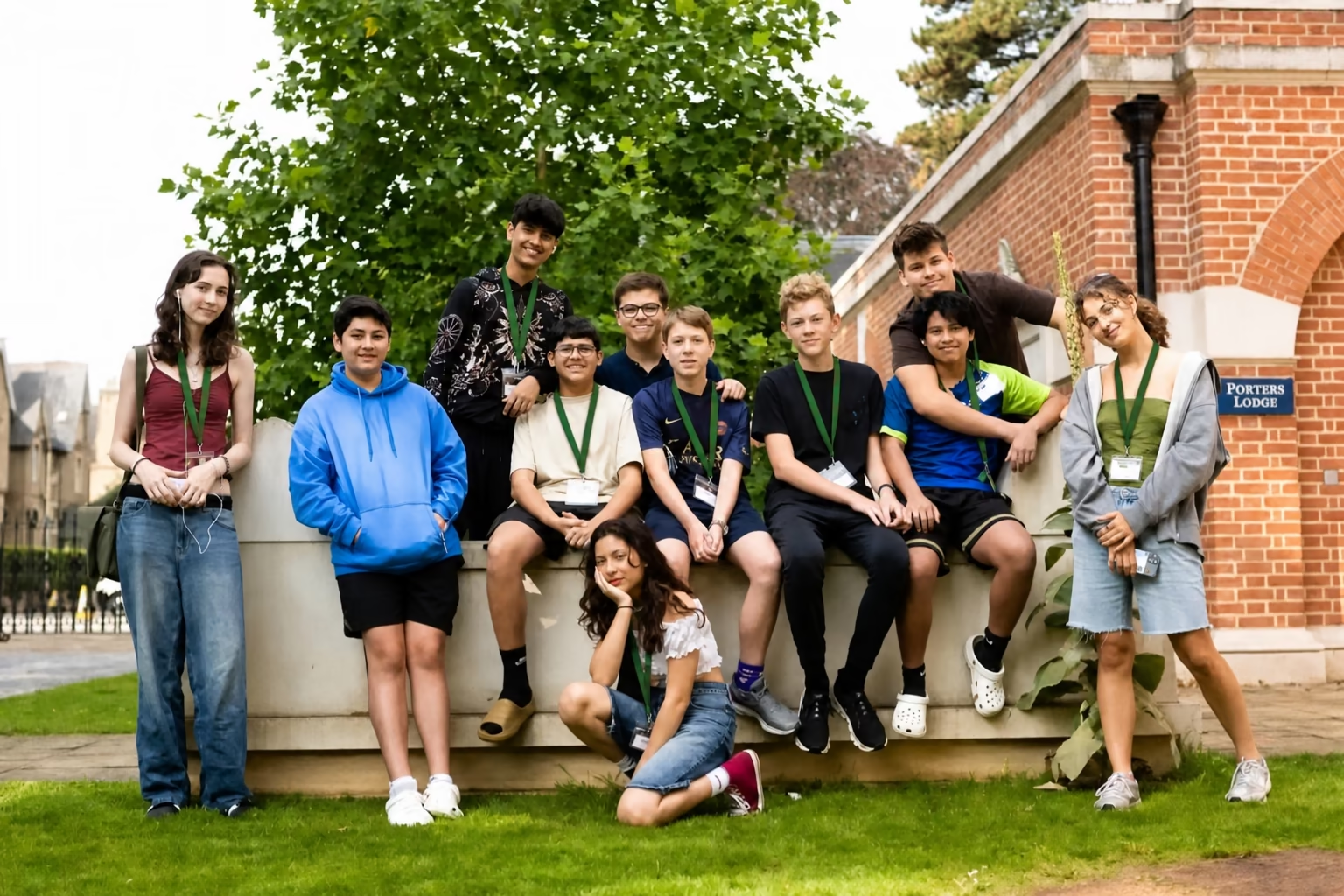
Classical Civilisation explores the literature, ideas and societies of ancient Greece and Rome. This student guide introduces myth, religion, politics and historical interpretation, helping readers understand the classical world and consider its continuing influence on culture.
History investigates past people, societies and events through evidence and interpretation. This guide introduces source analysis, causes and consequences, and questions about power and change, helping students understand how historical arguments are developed rather than simply memorised.