
Articles

Featured Articles

Atlas Summer Courses is the new name for Oxford Summer Courses. This introduction explains why the identity has changed, what remains the same for students and families, and how academic study, international friendships and greater independence fit into the programme’s next chapter.
Articles

Reading can introduce Psychology students to classic and contemporary ideas beyond their course materials. The recommendations include work on cognition, clinical experience, happiness and the history of the subject.

English can be challenging because of pronunciation, spelling, grammar and exceptions. Idioms, varied word origins and subtle differences between synonyms add complexity. The article explores these difficulties rather than providing a universal ranking of language difficulty.

The article considers how students can benefit from learning with others. Discussion and shared problem-solving offer ways to test understanding rather than study entirely alone. A learning community can provide connection and support alongside academic content.

The guide offers ideas for exploring UK cities beyond London. Examples include Bath, Edinburgh, Norwich, Bristol, Manchester, Cambridge and York. The selection highlights varied cultural and historic destinations rather than current travel conditions.
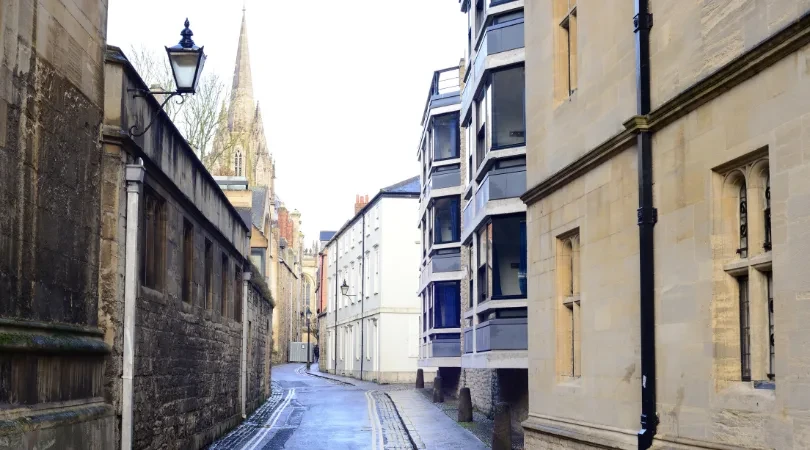
The article profiles notable figures with connections to Oxford. It explores their backgrounds, challenges and contributions to public life and intellectual history. These stories offer examples of individual achievement rather than a single route to success.

Start creative writing by experimenting with ideas, forms and the act of putting words on a page. This guide encourages regular practice and exploration, helping beginners move beyond waiting for a perfect idea and begin developing their own voice.

UCAS Tariff points provide a way to express the value of eligible qualifications and grades. Some university courses use points in their entry requirements, while requirements vary between institutions.
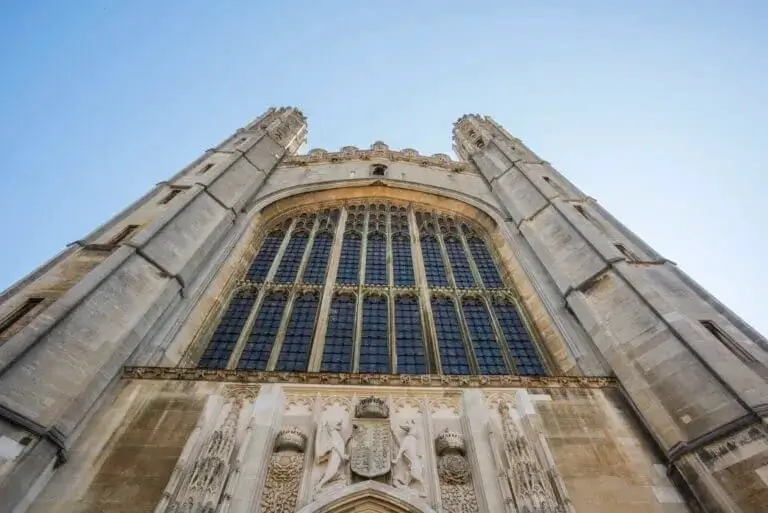
King’s College Chapel is a prominent part of Cambridge’s architectural and college history. The article traces its development through a timeline beginning with Henry VI’s foundation. It also introduces the chapel’s continuing spiritual, ceremonial and choral roles.
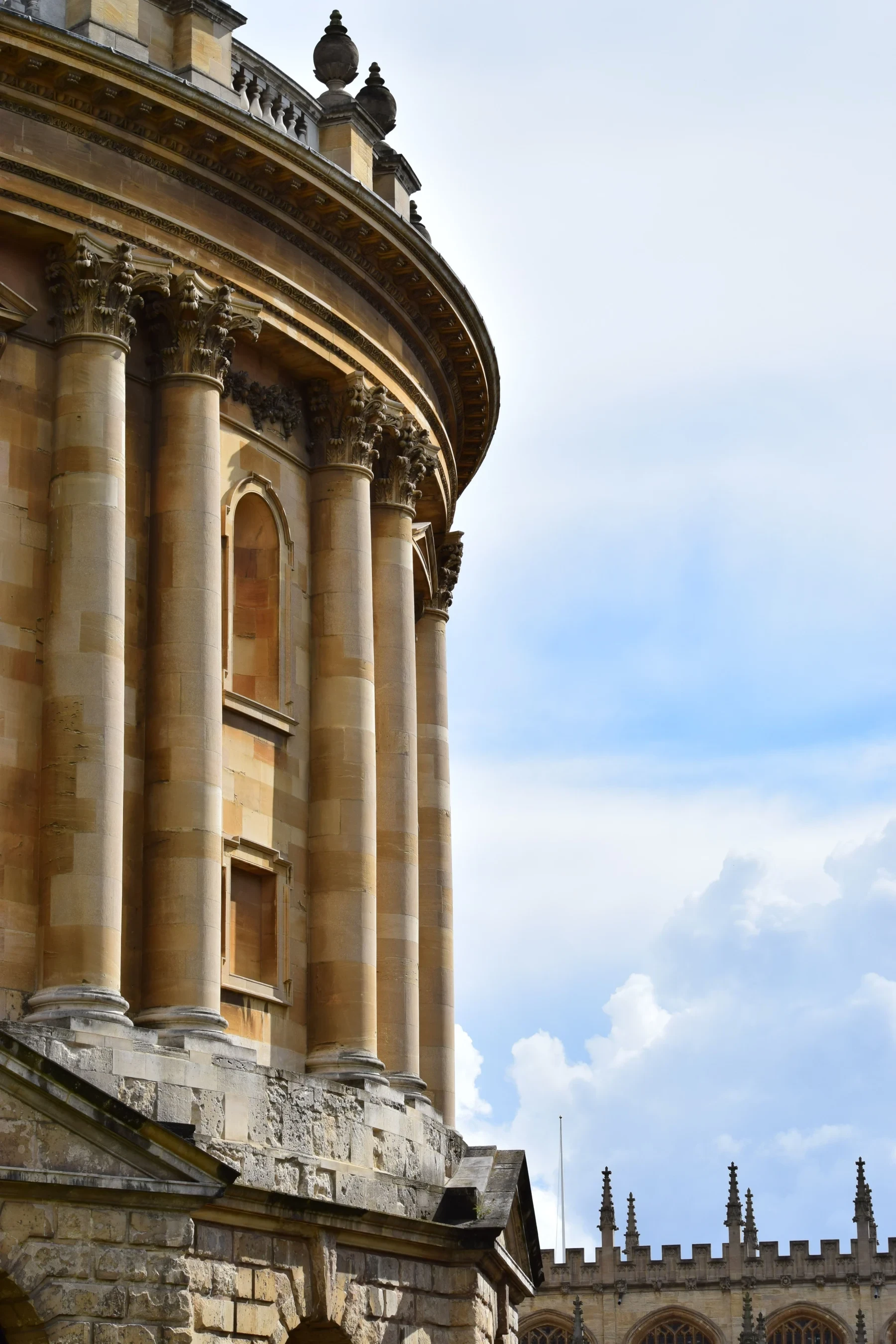
The article surveys scientific and other discoveries associated with Oxford academics. Examples include medical developments, lithium-ion batteries, weather prediction and research on distant planets. The selection illustrates the range of questions addressed through academic research.