
Articles

Featured Articles

Atlas Summer Courses is the new name for Oxford Summer Courses. This introduction explains why the identity has changed, what remains the same for students and families, and how academic study, international friendships and greater independence fit into the programme’s next chapter.
Articles

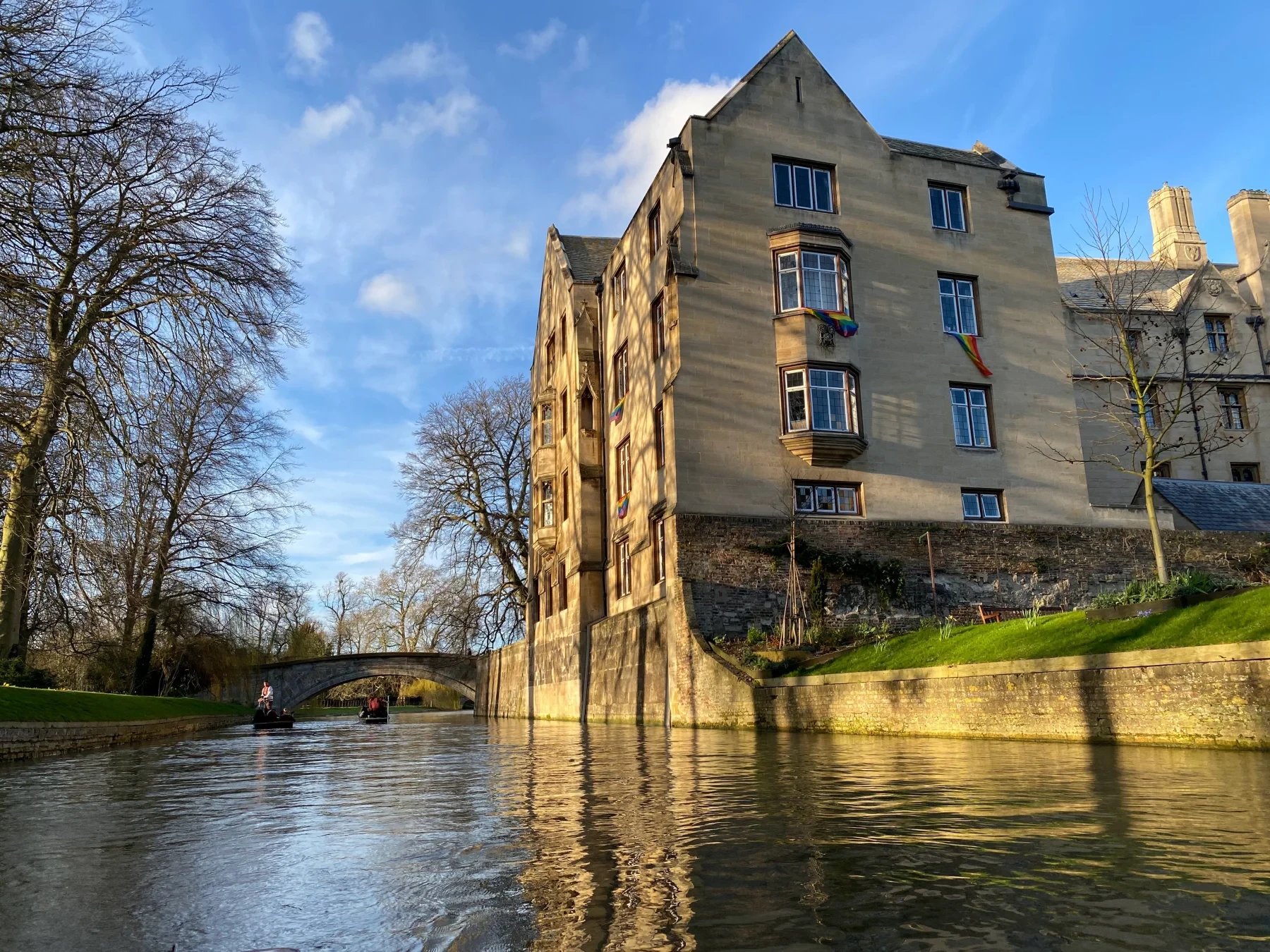
Cambridge is a top UK city known for education, architecture, and innovation. Renowned university, rich academic history, compactness, museums, green spaces, and thriving tech industry make it an ideal destination for students and tourists. Discover the vibrant atmosphere of this cultural hub.

Studying online can develop far more than subject knowledge. By managing their own workload, participating in digital discussions, collaborating with others and overcoming unfamiliar challenges, students can strengthen transferable skills including time management, self-motivation, communication, digital literacy, problem-solving, adaptability and self-discipline. These abilities can support students throughout school, university and eventually the workplace.

Tutorials at Atlas Summer Courses can help students improve their essay writing by giving them opportunities to test arguments, discuss evidence, explore counterarguments and receive focused feedback on their ideas. Through tutorial-style questioning, students can develop stronger thesis statements, deeper analysis, clearer structures and more precise academic reasoning, helping them become increasingly confident and independent writers.

A Law summer course can help students develop valuable transferable skills alongside exploring legal ideas and problems. Through research, discussion, debate and problem-solving, students can strengthen critical thinking, analytical reasoning, communication, teamwork, public speaking and their ability to construct persuasive arguments. These skills can support future academic study and remain useful whether or not students ultimately decide to pursue Law at university.

Standing out academically involves curiosity, independence and critical thinking as well as grades. Reading beyond the curriculum and asking thoughtful questions can develop individual academic interests. Discussion, strong arguments and a willingness to learn from mistakes help students take an active role in learning.
The article explores Cambridge’s technology start-up community, often described as Silicon Fen. It highlights how shared workspaces and incubators can support collaboration and new ventures. Examples such as Simprints illustrate technology applied to practical problems; company details reflect the article’s context.

The article discusses how language immersion creates opportunities to practise English beyond lessons. Conversations with other students and local people can complement structured teaching. Experiencing a different culture adds another dimension to language learning.

Reading around Medicine and exploring care-related volunteering can help students investigate their interest. A summer course can offer subject exploration, but should not be treated as a guarantee of admission.

This student account follows Catalina’s decision to study History and Law across Oxford and Cambridge. She reflects on leaving her comfort zone and comparing possible summer programmes. The article presents one alumna’s reasons for choosing a course rather than a universal selection formula.