
Articles

Featured Articles

Atlas Summer Courses is the new name for Oxford Summer Courses. This introduction explains why the identity has changed, what remains the same for students and families, and how academic study, international friendships and greater independence fit into the programme’s next chapter.
Articles

From Shakespeare and Emily Dickinson to Robert Frost, Langston Hughes and Maya Angelou, famous poetry quotes can express powerful ideas about love, hope, mortality, identity and resilience in remarkably few words. This article explains 20 well-known literary quotations, exploring their original context, meaning and poetic techniques while showing students how looking beyond a famous line can lead to deeper and more confident poetry analysis.
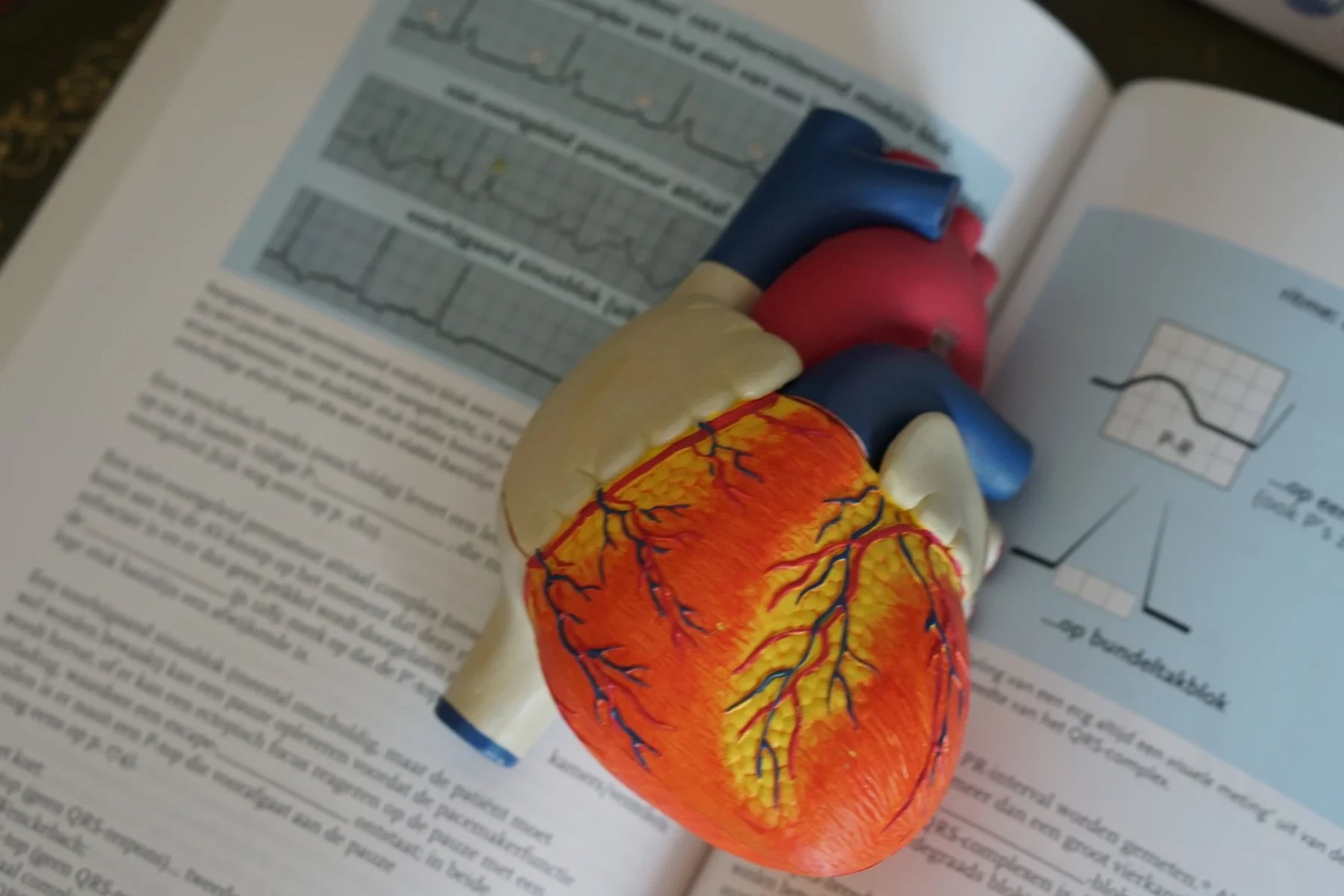
Medical terminology becomes easier to approach when you recognise common prefixes, roots and suffixes. This guide introduces useful terms and examples, helping prospective Medicine students interpret unfamiliar words and connect vocabulary with the concepts behind it.

GCSEs are crucial qualifications for students in England, Wales, and Northern Ireland. Taken between ages 14 and 16, they lay the foundation for further education and future careers. This blog post provides information on what GCSEs are, how they're graded, and selecting subjects.

Choosing a university subject can begin with uncertainty rather than a fixed career plan. This guide explores interests, strengths, course research and opportunities to try unfamiliar subjects, helping students narrow their options through evidence and experience instead of reputation alone.
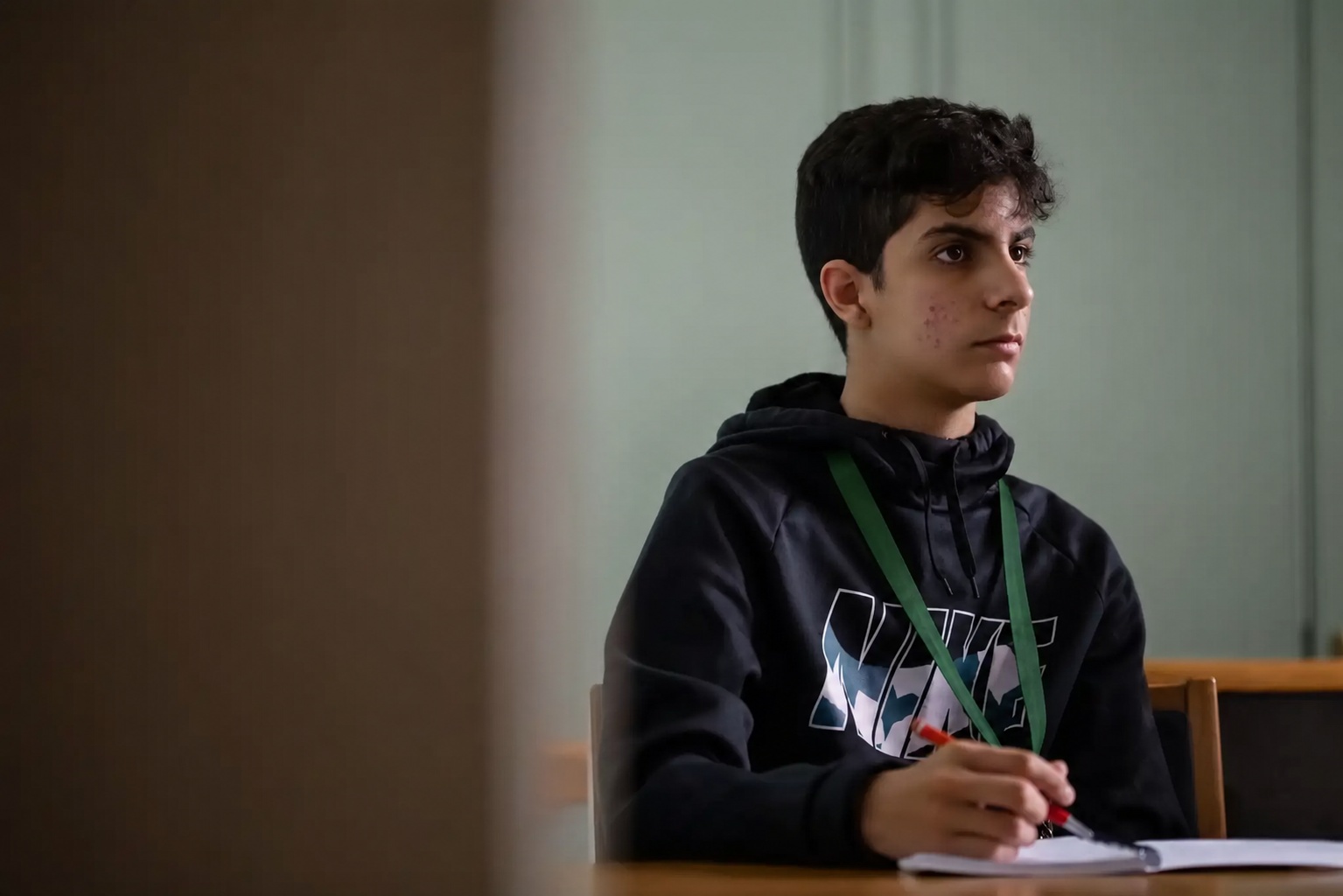
Tutorials at Atlas Summer Courses provide students with focused opportunities to discuss ideas, ask questions and receive feedback that responds to their individual understanding. Whether a student is struggling with a difficult concept or ready to take an argument further, tutorial-style learning encourages critical thinking, academic confidence and independent reasoning while helping students develop the skills to become more effective learners.

Summer tutorials at Atlas Summer Courses give students focused opportunities to explore academic ideas through questioning, discussion, challenge and individual feedback. Complementing small-group teaching, tutorials can help students work through difficult concepts, test their arguments and develop greater confidence in expressing their ideas, while building critical-thinking and independent-learning skills that can support their future studies.

The article profiles influential women writers and their contributions to literature. Figures including Jane Austen, Mary Shelley and the Brontë sisters challenged conventions through their work. Exploring their writing offers perspectives on culture, identity, gender and social change.

Making an effective academic argument requires more than having a strong opinion. Students need to develop clear claims, support them with appropriate evidence, explain their reasoning and respond thoughtfully to counterarguments. This guide explores essential tutorial skills including questioning assumptions, avoiding common logical weaknesses, listening carefully and disagreeing respectfully, helping students become more confident and critical participants in academic discussions.

Tutorials at Atlas Summer Courses can help students build academic self-confidence by giving them opportunities to speak, ask questions, test ideas and respond to focused feedback. Through discussing difficult concepts and becoming more comfortable with challenge and uncertainty, students can develop greater trust in their ability to think independently, communicate their reasoning and approach unfamiliar academic problems.