
Articles

Featured Articles

Atlas Summer Courses is the new name for Oxford Summer Courses. This introduction explains why the identity has changed, what remains the same for students and families, and how academic study, international friendships and greater independence fit into the programme’s next chapter.
Articles

Compare Oxford and Cambridge through their histories, collegiate communities, academic environments and student experiences. This guide highlights similarities and differences to help prospective students think beyond reputation and investigate which university and course might suit their interests.

This announcement explains Atlas Summer Courses joining Summer Discovery and what the relationship means for the organisation’s next stage. It introduces the shared educational context and discusses how the partnership relates to the experiences offered to students and families.

A research paper develops a focused argument or investigation using evidence and analysis. This guide explains its purpose, the importance of a clear research question and the steps involved in finding sources, structuring a paper and presenting conclusions.

Turn your interests into a manageable passion project with ideas spanning creative writing, STEM, the arts and community action. This guide explains how to choose a meaningful topic, plan your work, research and refine your ideas, and present what you have learned.

Explore work experience ideas for Year 10 across different industries, including placements, shadowing, volunteering and virtual opportunities. The guide explains how to investigate options, approach organisations, prepare for a placement and reflect on what the experience reveals about your interests.
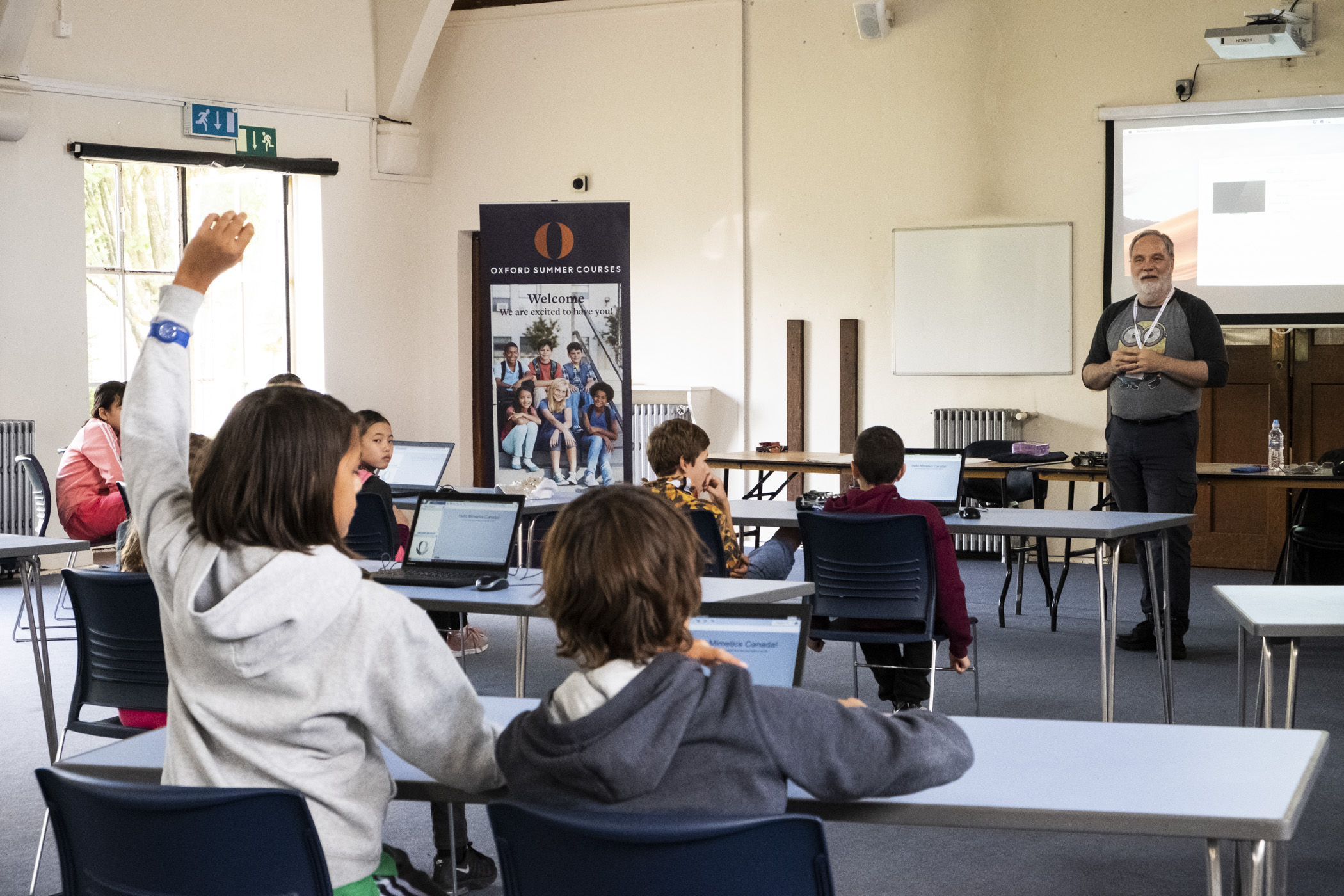
Understand how UCAS Tariff points relate to qualifications, grades and university entry requirements. This guide explains ways to plan your studies, use the Tariff calculator and investigate alternatives, while distinguishing activities that develop an application from qualifications that actually carry points.

Mechanical Engineering applies science and design to machines, materials and physical systems. This student guide introduces the field’s main ideas, practical applications and study skills, helping readers explore how mechanical engineers approach problems across different industries.

Mathematics investigates numbers, patterns, structures and logical relationships. This guide introduces areas of the subject, practical applications and the reasoning skills used to tackle unfamiliar problems, helping students connect abstract ideas with further study.
Innovation and Technology explores how ideas become practical responses to problems. This guide introduces design thinking, emerging technologies and product development, helping students consider how creativity, testing and technical understanding work together.