
Articles

Featured Articles

Atlas Summer Courses is the new name for Oxford Summer Courses. This introduction explains why the identity has changed, what remains the same for students and families, and how academic study, international friendships and greater independence fit into the programme’s next chapter.
Articles

Active recall means attempting to retrieve information rather than only rereading it. This guide explores how questions, explanations and practice tasks can reveal gaps in knowledge, helping students plan revision around what they can actually remember and use.

Mind maps organise a topic around connected branches of key ideas. This guide explains how to choose a central focus, link concepts and use concise labels, helping students build an overview and test relationships rather than copy long passages into a different layout.
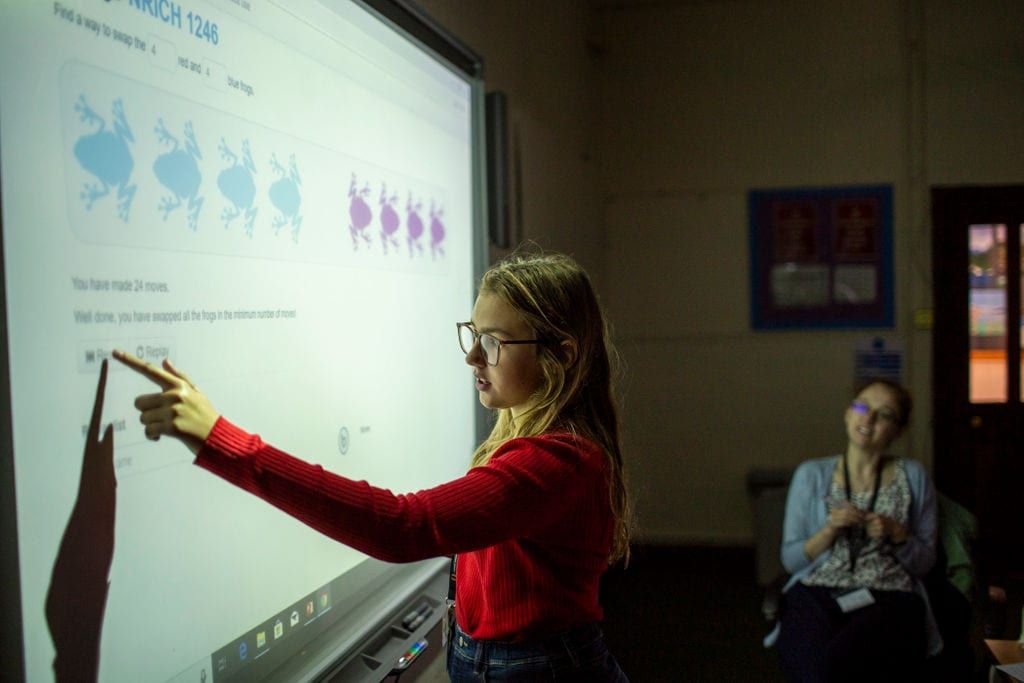
Prepare for tests by understanding the format, reading instructions carefully and allocating time to the marks available. This guide explores interpreting command words, planning answers and staying focused, helping students combine subject knowledge with a purposeful approach to the exam.

Improve concentration by setting a clear task, reducing predictable distractions and working in manageable sessions. This guide examines practical changes to study space, phone use and workload, helping students focus on the quality of their attention rather than simply working longer.

Reading comprehension means understanding and evaluating a text, not simply finishing it. This guide explores previewing, asking questions and checking understanding, helping students choose a reading approach that matches the purpose and difficulty of the material.

Clear handwriting depends on legibility rather than decorative perfection. This guide explains how to identify difficulties with letter formation, size and spacing, then practise manageable improvements that make handwritten academic work easier for others to read.

Mathematics and Physics connect abstract reasoning with explanations of the physical world. This guide explores algebra, equations, units and problem-solving, helping students understand why methods work and apply their knowledge rather than rely entirely on memorised formulas.

Philosophy, Politics and Economics bring different perspectives to questions about society, values and resources. This guide explores how to analyse arguments, question assumptions and connect ideas across the three subjects, developing clearer reasoning about complex issues.

Economics and Finance examine resource choices, markets and decisions about money. This guide introduces scarcity, opportunity cost and financial concepts, with ways students can strengthen analytical thinking and evaluate the assumptions behind economic and financial arguments.