
Oxford’s Mind-Expanding Museums

Key takeaways:
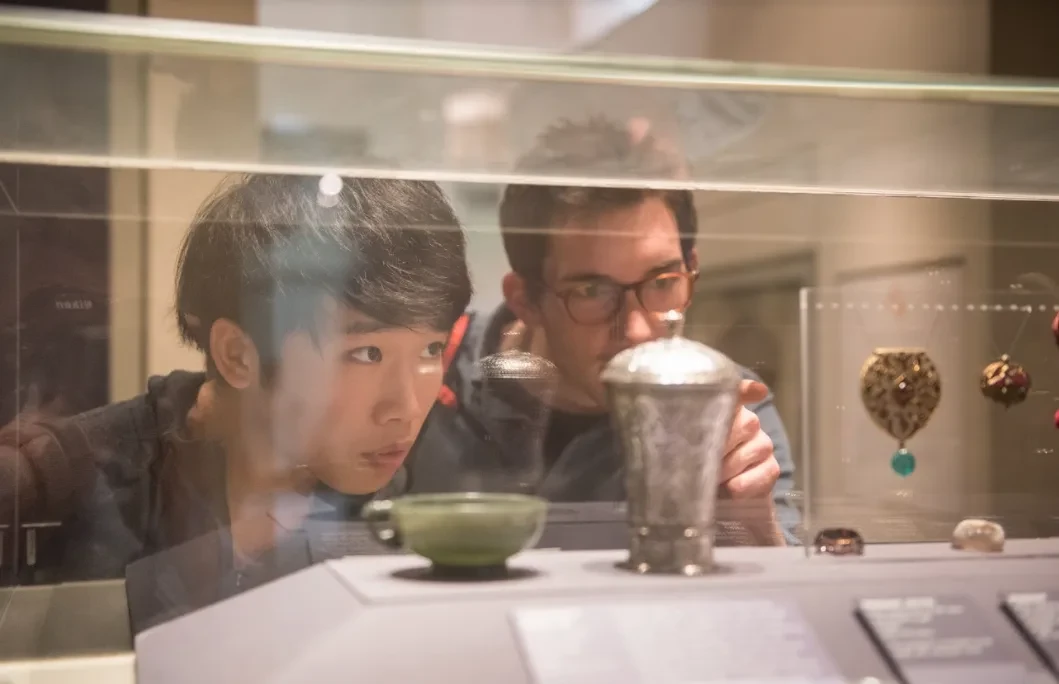
Oxford's museums offer more than a break between lessons. They provide opportunities to encounter an object, look closely and ask a question that a textbook alone may not prompt. A painting, a fossil or an everyday tool can become the beginning of a much larger investigation.
Three museums make useful starting points: the Ashmolean Museum, the Oxford University Museum of Natural History and the Pitt Rivers Museum. Each approaches its collections differently, so choose according to your interests rather than trying to rush through all three.
The suggestions below are ideas for planning a visit. They are not a confirmed Atlas Summer Courses itinerary. Students on an organised excursion should follow their programme arrangements and the guidance of the on-course team.
The Ashmolean: explore art and archaeology
The Ashmolean is on Beaumont Street in central Oxford. Its collections bring together art and archaeology, making it a useful choice for visitors interested in how people make, use and interpret objects across different places and periods.
Rather than beginning with a list of famous names, choose one gallery or theme. Compare two objects and consider their materials, intended audience and purpose. What can you establish from looking, and what additional information does the label provide?
For a student interested in Art History, this is a chance to practise observation before reaching for an interpretation. Someone interested in history could ask what an object reveals about trade, belief or daily life. Writers might describe the same object from the perspectives of its maker and a modern visitor.
The museum currently states that general admission is free and does not require booking; major exhibitions can have different arrangements. Use the official Ashmolean visitor page to check the details, including access and group visits, before setting out.
The Museum of Natural History: turn curiosity into questions
On Parks Road, the Oxford University Museum of Natural History offers a different focus, with collections relating to the natural world. It can be a good starting point for students who enjoy asking how evidence is used to understand life, materials and change over time.
Choose a specimen and write down what you notice before reading the explanation. Which features seem important? What would you need to compare it with? What is a reasonable inference, and what would require further evidence?
These questions connect a visit with the habits of scientific enquiry. You do not need advanced subject knowledge to begin. The important step is to move from noticing something interesting to asking a question that could be investigated.
The museum currently lists free, unticketed general entry, with booking requirements for larger organised groups. Check its current visitor information for opening times, accessibility and group arrangements. Do not assume that a student group can arrive under the same conditions as an individual visitor.
The Pitt Rivers Museum: investigate objects and their interpretation
The Pitt Rivers Museum explores human cultures through archaeological and ethnographic collections. Visitor entry is through the Museum of Natural History, which makes the two geographically convenient to consider together. They are nevertheless separate museums with their own arrangements.
An object can invite several kinds of question. How was it used? Who made it, and who has described it? What can a display explain, and whose perspective might require more attention? How an object reached a museum is part of its story, not an unrelated detail.
For students interested in Sociology and Anthropology, this can make a visit especially thought-provoking. Approach unfamiliar objects with curiosity and respect, resisting the temptation to reduce a culture to a single display or description.
The museum currently states that entry is free and all group visits require booking. Its opening pattern differs from the neighbouring museum, so check the Pitt Rivers visitor page before combining the two. Use the current displays and visitor information rather than relying on descriptions of objects from older travel articles.
Which museum should you choose?
Let the question you want to explore guide the visit:
- Choose the Ashmolean if you want to investigate art, archaeology or how objects communicate ideas.
- Choose the Museum of Natural History if you want to look closely at evidence from the natural world.
- Choose the Pitt Rivers if you are interested in human cultures, material objects and questions of interpretation.
You can enjoy any of them without studying the related subject formally. A museum can also introduce an interest you did not expect to have. Leave enough time to follow a question rather than treating every gallery as a box to tick.
Plan a manageable student visit
As a planning suggestion, allow around an hour for a focused visit to one museum, and longer if you want several galleries or a special exhibition. This is not an official required visit length: your interests, access needs and group arrangements may call for a different plan.
Before you go, check opening times, any booking requirements, temporary closures and accessibility. Review photography and bag policies too. For an organised group, confirm the booking with the responsible staff member and follow the agreed meeting points and timetable.
One museum explored carefully can be more rewarding than three seen in a hurry. Include time to travel, rest and discuss what you found, especially if your day also includes teaching or other activities.
Bring a question back with you
Try a simple exercise: choose one object, make three observations, write one question and note what evidence might help answer it. Afterwards, compare your choice with a friend's. The differences can reveal how people notice and interpret the same space in different ways.
For students considering a summer course in Oxford, the city's museums are one example of how its wider surroundings can prompt new ideas. Check your specific programme for confirmed activities, and treat each visit as an opportunity to look more carefully, not just to collect another photograph.
About the author
Rhys Mackenzie is responsible for creating and maintaining educational content at Atlas Summer Courses, helping students and families access clear, accurate information about studying in Oxford. With several years of experience in digital content and student-focused resources, Rhys specialises in presenting academic programmes in a way that reflects the quality and integrity of Atlas Summer Courses' academic offering. Learn more about Rhys here.
Summary
Oxford’s Ashmolean, Museum of Natural History and Pitt Rivers Museum offer different ways to explore art, science and human cultures. This guide helps students choose a manageable visit, connect objects with their interests and check current visitor arrangements, without treating the suggestions as a confirmed Atlas excursion itinerary.