
Your Child Is in Good Hands: How Atlas Summer Courses Keeps Students Safe

Key takeaways:
- Atlas Summer Courses prioritises student safety and well-being through trained staff, enhanced DBS checks, low staff-to-student ratios, 24/7 support and structured safeguarding practices aligned with UK standards.
- Students are supported both personally and academically through age-appropriate care, daily check-ins, strong communication with parents and proactive monitoring of global events, backed by a trusted track record of 20,000+ students and a 4.8/5 rating.
Sending your child abroad for the first time is a big moment. It brings excitement and questions. Who will be there if they feel overwhelmed? What happens if something goes wrong? How do you know they're genuinely safe, not just technically supervised? These are exactly the right questions to ask. And at Atlas Summer Courses, we want to answer them honestly — not with a list of policies, but with a clear picture of what life actually looks like for your child from the day they arrive.
Over the past decade, we've welcomed more than 20,000 students from over 150 countries. Our satisfaction rating of 4.8/5 reflects something we're proud of: families trust us, and students leave more confident than when they arrived. Here's why.
Someone is always looking out for your child
From the moment your child arrives, they are introduced to their welfare team, a named group of tutors, house parents, welfare officers and course directors who are there specifically for them.
These aren't volunteers or part-time helpers. Every member of our safeguarding team completes an enhanced DBS (Disclosure and Barring Service) check and professional safeguarding training before the course begins. They receive annual updates on evolving risks, including online safety and mental health, so their support reflects the real challenges young people face today.
We keep our staff-to-student ratios deliberately low, because we know that genuine care requires time and attention. Your child won't be one face in a crowd, they'll have people who know their name, notice when they're quiet, and check in before a small worry becomes a bigger one.
"I was nervous about sending my daughter on her own, but the on-course team were incredible. She felt looked after from day one." Parent of a student, aged 15
What the first 24 hours look like
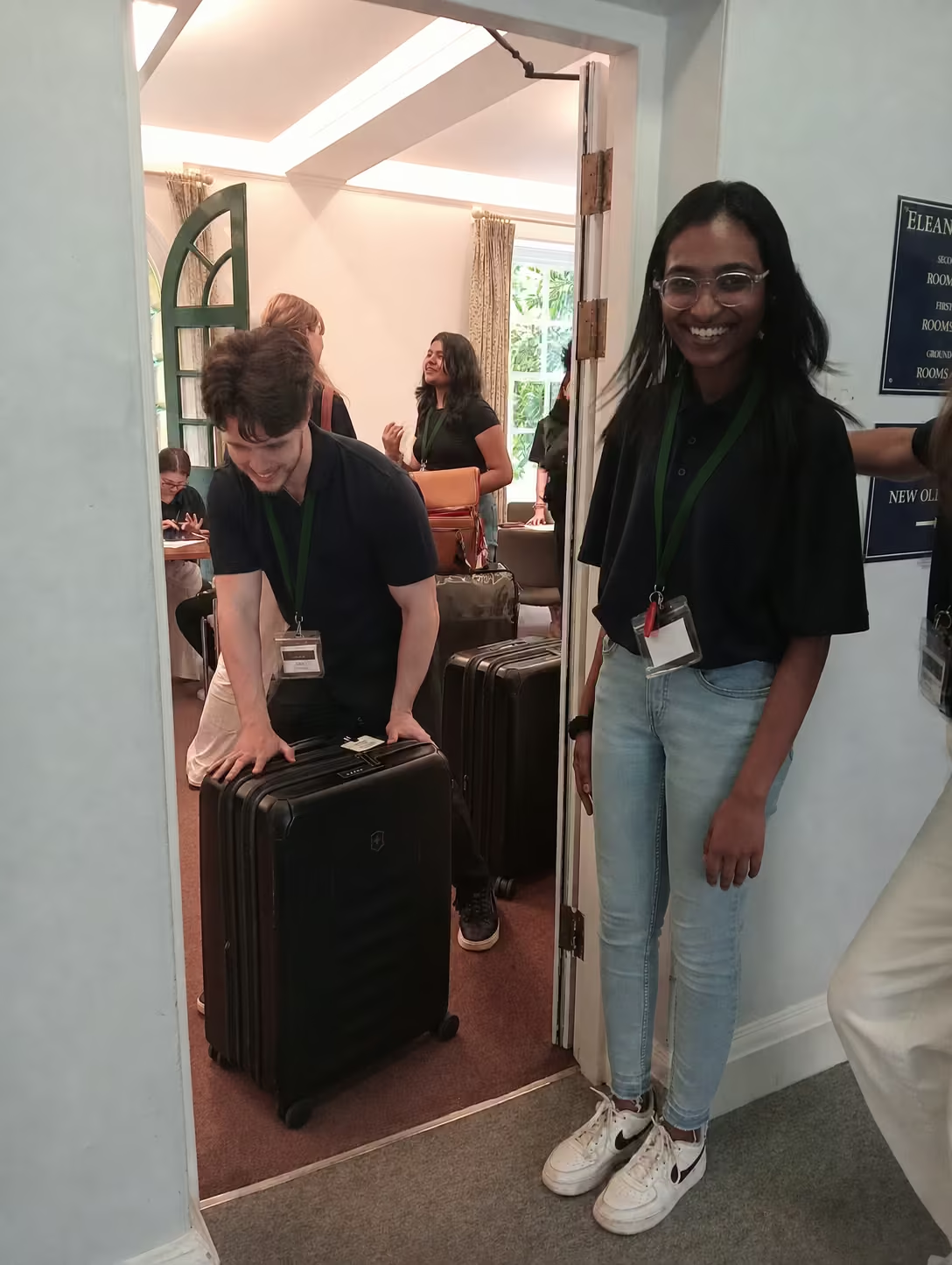
Arrivals can feel overwhelming, especially for younger students. We design the first day to change that quickly.
Every student receives a full welcome briefing: who their welfare contacts are, how to raise a concern, what the daily routine looks like, and what's expected of everyone in the community. They meet their housemates, get settled into their accommodation, and are never left to figure things out alone.
For students aged 9–12, house parents and welfare staff are present throughout every activity. Older students (13–24) are given more independence, that's part of what makes the experience valuable, but support is always close by and always easy to access.
Curfews, roll calls and nightly check-ins aren't bureaucratic box-ticking. They're how we make sure every student is safe, settled and ready for the next day.
When homesickness hits (and it sometimes does)
Missing home is completely normal, especially in the first few days. Our teams are trained to spot the early signs, a quieter-than-usual student at dinner, someone who skips an activity and respond warmly before it escalates.
Support might look like a quiet conversation over a cup of tea, help establishing a routine, or setting a small goal for the day. It might mean facilitating a call home or simply sitting with a student who needs company.
Our aim isn't to push homesickness aside. It's to help your child move through it, build confidence, and discover that they're more capable than they realised. That experience of managing something hard and coming out the other side is often what parents tell us was the most valuable part of the whole summer.
A community built on respect
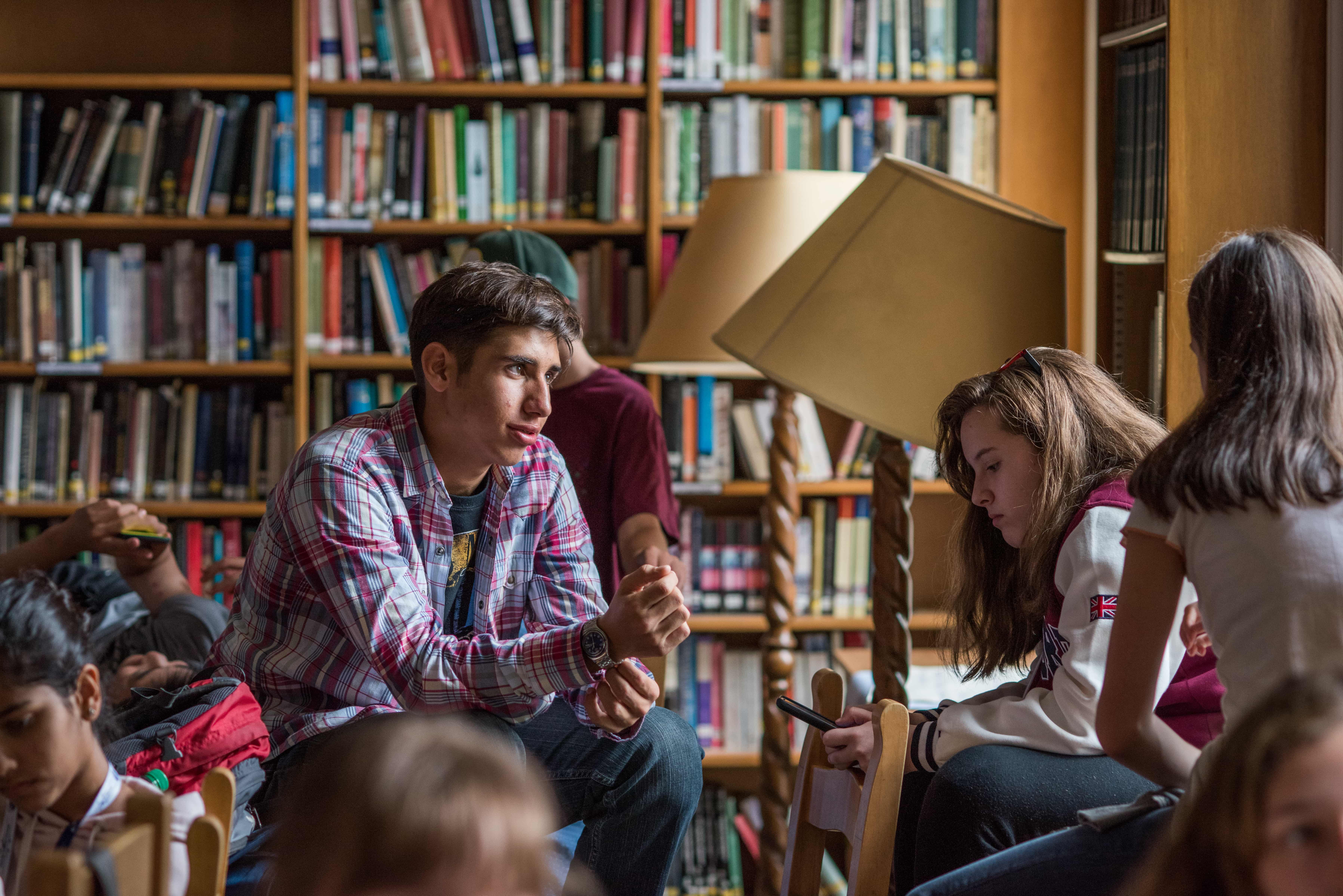
With students joining us from over 150 countries, our courses are genuinely international communities. That brings enormous richness — and it also means we take inclusivity seriously.
Bullying, harassment and discrimination of any kind are not tolerated. Students commit to this before they arrive, and it's reinforced throughout the programme. Staff are trained to foster an environment where every student — regardless of background, religion, nationality or identity — feels equally respected and welcome.
Many students tell us that the friendships they form here, with peers they'd never have met otherwise, are among the most meaningful of their lives. That's what happens when you build a community on genuine mutual respect.
Keeping you informed, not in the dark
You shouldn't have to wonder how your child is getting on. We keep parents informed throughout the programme with regular updates, and our welfare teams are always reachable if you have a concern.
If something needs your attention, we contact you promptly — you won't be the last to know. For younger students, our optional parent WhatsApp groups lets families stay connected without cutting across the independence your child is working to build.
Before the course begins, we run webinars and Q&A sessions so you can ask anything that's on your mind. We'd rather answer every question upfront than leave you with doubts.
When the wider world feels uncertain
We know that global news can add anxiety to an already big decision. While our programmes are based in the UK, many of our students travel from across the world, and disruptions — whether political, logistical or health-related — are something we plan for carefully.
We monitor official travel guidance continuously, including FCDO advice, and we communicate proactively with families if anything changes. If a student's travel route is affected, we help identify alternatives. If a programme needs to adapt — including moving to online delivery — we act quickly and keep everyone informed.
We also recognise that some students arrive affected by events in their home country. Our welfare teams are experienced in providing emotional support in those situations, without pressure to talk before a student is ready.
-2%20-%20Forest%20Green%20lanyard.png)
What should parents check before choosing a summer programme?
Before booking a summer programme, parents should look beyond the academic timetable and understand how safeguarding works in practice. Ask who is responsible for student welfare, how staff are recruited and trained, what supervision is provided outside teaching hours, and what procedures are followed if a student becomes unwell, upset or needs additional support.
Age matters too. The appropriate level of independence for a 17-year-old will be very different from that of a younger student, so check how supervision, free time, curfews and residential arrangements change between age groups. Parents should also understand how students can contact staff and how the programme communicates with families if a concern arises.
For students travelling internationally, it is worth checking arrival and departure arrangements as well. Airport transfers, travel permissions, emergency contacts and procedures for delayed or disrupted journeys should all be clear before your child leaves home. Knowing how these practical situations are handled can provide just as much reassurance as understanding what happens during the programme itself.
How does safeguarding work on a residential summer programme?
Safeguarding on a residential summer programme extends beyond keeping students supervised. It covers the systems used to protect their physical and emotional wellbeing throughout their stay, including staff recruitment and training, accommodation, activities, excursions, visitor procedures, medical support and the way concerns are reported and handled.
A strong safeguarding approach should also be visible in everyday routines. Students should know who they can speak to if something feels wrong, staff should understand their responsibilities, and clear procedures should be in place for situations ranging from illness and homesickness to inappropriate behaviour or a safeguarding concern. Parents should be able to access the provider's safeguarding information before the programme begins.
At Atlas Summer Courses, safeguarding and pastoral support are designed to work alongside increasing independence. Younger students receive closer supervision, while older students are given greater freedom appropriate to their age. The aim is to create an environment where students can develop confidence and independence while knowing that support remains available when they need it.
How do we support students living away from home?
For many students, a residential summer course is their first experience of spending an extended period away from their family. That can be exciting, but it can also involve unfamiliar routines, new friendships and moments when students need reassurance. Good pastoral care means recognising that adjustment is part of the experience rather than expecting every student to feel immediately comfortable.
Support should be available both formally and informally. A student might need help resolving a disagreement, adjusting to their schedule, finding their way around, managing homesickness or simply knowing who to talk to after a difficult day. Having identifiable staff who students see regularly makes it easier for them to ask for help before a small concern becomes more serious.
Over time, appropriate support can create space for greater independence. Students learn to manage their routines, communicate with new people and deal with everyday challenges while still having a clear support structure around them. For parents, that balance between independence and safeguarding is one of the most important things to consider when choosing a residential summer programme.
Safe and stretched
Safeguarding, for us, is not just about preventing harm. It's about creating the conditions in which your child can genuinely flourish.
The students who leave Atlas Summer Courses are more independent, more confident and more curious than when they arrived. They've navigated new friendships, taken on academic challenges and managed life away from home, often for the first time. Those experiences build the kind of resilience that lasts well beyond the summer.
Safety and growth aren't in tension. With the right environment, they reinforce each other.
About the author
Rhys Mackenzie is responsible for creating and maintaining educational content at Atlas Summer Courses, helping students and families access clear, accurate information about studying in Oxford. With several years of experience in digital content and student-focused resources, Rhys specialises in presenting academic programmes in a way that reflects the quality and integrity of Atlas Summer Courses' academic offering. Learn more about Rhys here.
Summary
Explore how Atlas Summer Courses ensures student safety through safeguarding policies, trained staff and dedicated welfare support.